Limits and Innovation

limitsandinnovation

The following text is from Quaker friend John Kintree’s piece, Limits and Innovation, published on globalreferendum2020.org.

For more information on the Global Citizens Database Project, which John is involved with, follow this link.

‘We live on a finite planet.  There are limits to the resources we can extract from the planet, and to the pollution we can release into it. Limits can be altered through innovation.  For instance, the number of bushels of corn that can be grown per acre has increased dramatically in the last 100 years. Still, there is an ultimate limit to the amount of corn that can be grown per acre because there is only so much sunlight per acre, and it is the energy from the sun that causes corn to grow.

Innovative technologies can sometimes be double-edged swords.  Industrial-chemical agriculture is one of the largest sources of greenhouse gas emissions.  The increase in crop production in some locations has required massive amounts of irrigation, which is causing water tables to fall.  What will happen to food production in those areas when the wells run dry?

Continue reading “Limits and Innovation”

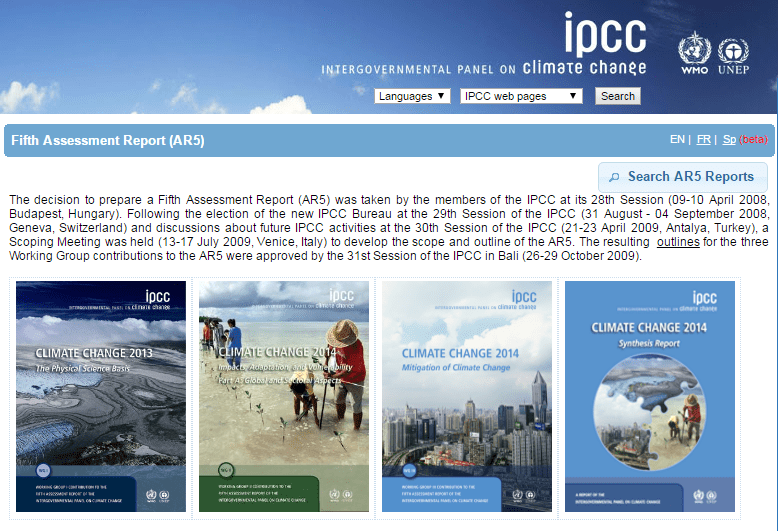
IPCC 5th Assessment Report

IPCCAR5

One of the main IPCC activities is the preparation of comprehensive Assessment Reports about the state of scientific, technical and socio-economic knowledge on climate change, its causes, potential impacts and response strategies. The IPCC also produces Special Reports, which are an assessment on a specific issue and Methodology Reports, which provide practical guidelines for the preparation of greenhouse gas inventories.

Since its inception in 1988 the IPCC has prepared five multivolume assessment reports. The Fifth Assessment Report was released between September 2013 and November 2014.

Follow the link to read the reports: https://www.ipcc.ch/report/ar5/

Transforming Impasse: the way through conflict with Quaker listening processes

transformingimpasse

People have difficulty engaging with climate change for many reasons, including its scale and scientific and human complexity.

If society is to respond effectively to climate change and emerging resource crises, we will need to:

  1. Develop a shared understanding of our complex situation;
  2. Engage people emotionally – with compassion for those who will suffer even if they are far away, belong to different cultures or are not yet born; and
  3. Develop a collective will for change, especially in consumption.

It is in offering a different social model, of solidarity without an enemy, that Quakers may have most to offer.

Read the paper, published by the Quaker Council for European Affairs (QCEA), below:

TransformingImpasse