Read the full text of the original 1992 Framework Convention on Climate Change
Available following the link.
QUAKERS & CLIMATE CHANGE WORLDWIDE
A portal for Quaker climate action across the globe
Read the full text of the original 1992 Framework Convention on Climate Change
Available following the link.

The Human Rights Council adopted on June 22nd 2017 its 7th resolution on human rights and climate change. Full document available here.
People have difficulty engaging with climate change for many reasons, including its scale and scientific and human complexity.
If society is to respond effectively to climate change and emerging resource crises, we will need to:
It is in offering a different social model, of solidarity without an enemy, that Quakers may have most to offer.
Read the paper, published by the Quaker Council for European Affairs (QCEA), below:
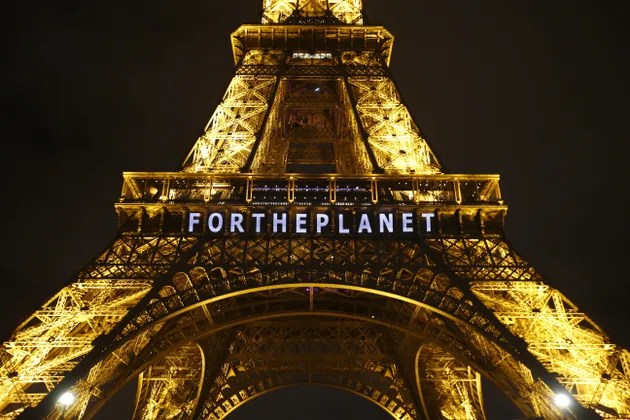
Representative for Climate Change, Lindsey Fielder Cook, reflects on the 2015 Paris Climate Change Agreement.
Over the course of three years leading up to COP21, QUNO engaged in quiet diplomacy at the United Nations Framework Convention on Climate Change (UNFCCC), offering delegates a more ‘human’ space in what could seem at times like an inhuman environment.
The report, available below, offers insight into this process, thoughts on the Agreement itself and a vision for what might lie ahead.
Read the document below:
Quakers – QUNO summary of the Paris Agreement
Photo: Francois Mori/AP
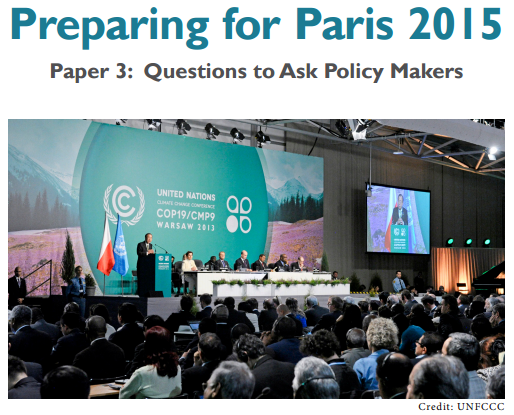
This paper, part of the “Preparing for Paris” series, proposes questions relating to climate action which concerned individuals and communities may wish to ask their policy makers.
Read the full document by clicking the link below:

Agriculture is a major contributor to anthropogenic climate change, and in turn climate change threatens the viability of food production around the world. The spread of capital- and technology-intensive ‘industrial’ agriculture in the modern era has been accompanied by an erosion of on-farm genetic diversity, a loss of local knowledge, and the abandonment of traditional farming practices. This undermines our capacity to
adapt to already-changing climatic conditions.
This report highlights the role of small-scale farmers as innovators and custodians of food system diversity, a critical resource in ensuring the realization of the right to food in an era of climate change. Taking an innovation systems perspective, it proposes a new framework for the design of collaborative agricultural research projects and agendas, and notes the need for pro-active policy measures in creating an enabling environment for such partnerships.
Read the full report by following this link:

This paper presents four examples of multilateral agreements that have involved complex negotiations, some spanning several years, others several decades. The examples draw on international processes in environment, disarmament, human rights and trade.
Read the full paper below:
Moving Forward in International Negotiations_UPDATED_30_July_2014

Facilitating trust among Parties is vital to enabling and encouraging States to stabilise their greenhouse gas (GHG) emissions and prevent dangerous levels of climate change.
An effective and positive monitoring system can be an important part of building mutual trust between Parties to an international Convention, increasing confidence that all Members will fulfil their obligations by providing support for implementation while also identifying areas of non-compliance.
Read the paper below:
Minute 36 challenges us, as Friends, to seek a sustainable, equitable and peaceful life on Earth. Britain Yearly Meeting is responding to this challenge by focusing on how to become a low-carbon sustainable community. The Quaker United Nations Office (QUNO) responds to the same challenge at the international level.
This briefing paper connects the work of QUNO to the concerns and the spirit of Minute 36, describing the linkages between local, national and international levels of engagement. QUNO seeks systemic change and provides a Quaker voice at the UN and related institutions.
Read the briefing paper by clicking the link.