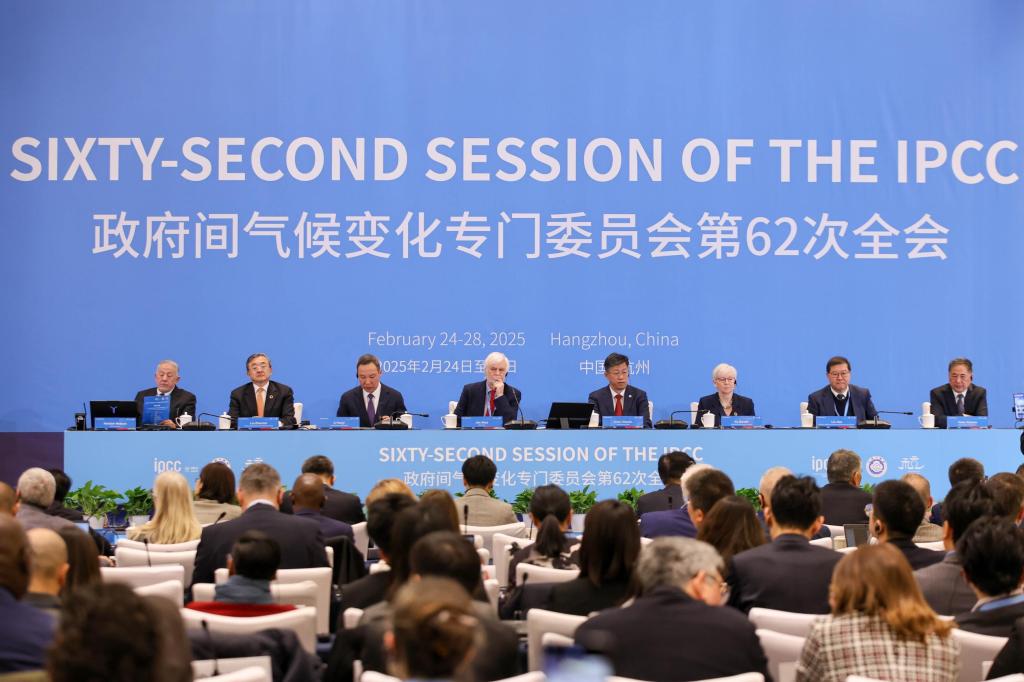
In Spring 2025, QUNO Representative for the Human Impacts of Climate Change participated in the 62nd Session of the Intergovernmental Panel on Climate Change (IPCC).
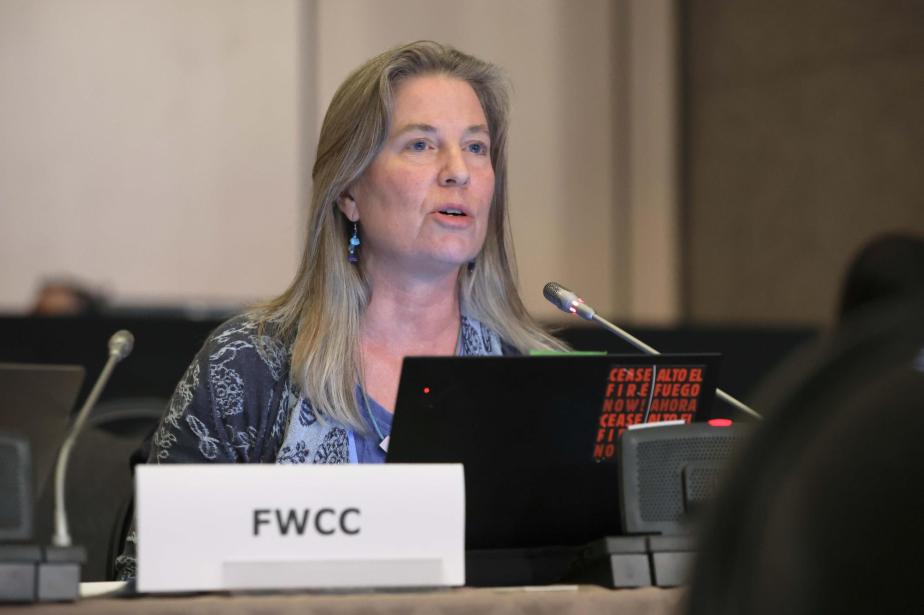
As an accredited observer of the IPCC through FWCC since 2017, QUNO seeks to uphold transparency and the integrity of the science, encourage clear messaging on urgent, transformative and rights-based climate action, and maintain a focus on risks to some climate technologies which fail to transform root causes and/or pose high risks to people and biodiversity. To date, QUNO is the only active independently accredited faith-based organization at the IPCC.
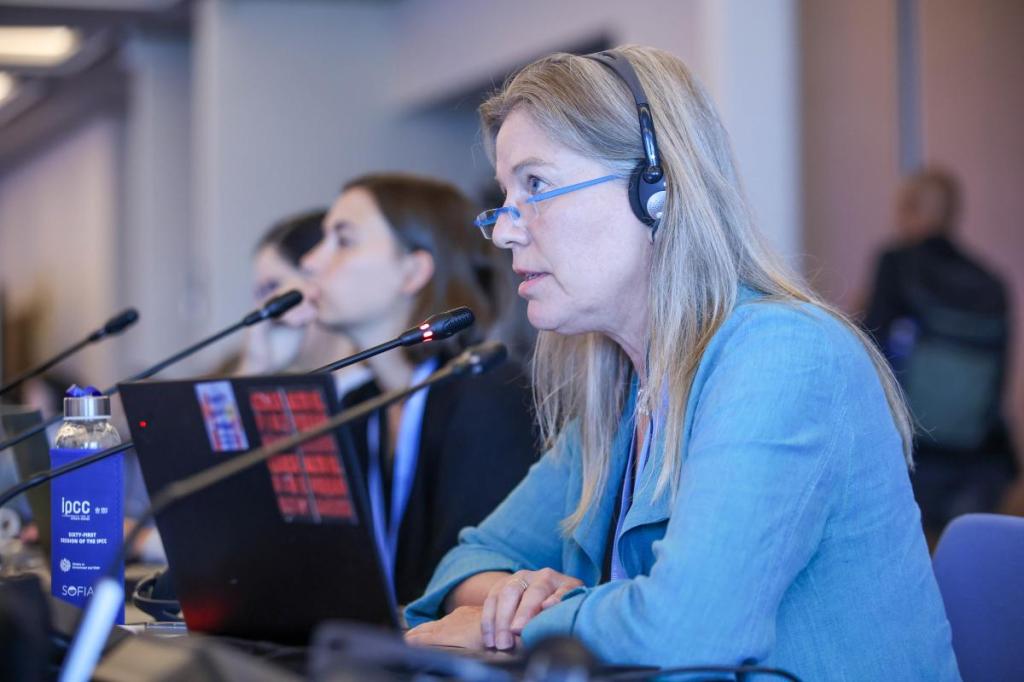
QUNO Geneva’s Human Impacts of Climate Change Programme, speaking on behalf of Friends World Committee for Consultation, took part in the 61st Session of the Intergovernmental Panel on Climate Change (IPCC) in Sofia, Bulgaria from the 27th of July to 2nd of August. Our FWCC interventions and the IPCC Meeting summary are available to read here.
At this session, the panel had to decide on the programme of work for the 7th Assessment Cycle (AR7) and approve outlines of two IPCC products: the Methodology Report on Short Lived Climate Forcers and the Special Report on Climate Change and Cities.
Since 2017, QUNO has been the only independent faith-based observer at the IPCC. At this session, QUNO made interventions to raise concerns over the failure to include military emissions in greenhouse gas inventory and the dangerous reliance on speculative technologies such as large-scale carbon dioxide removal (CDR) over transformation of root causes. QUNO also highlighted the need to ensure inclusivity and transparency, to uphold the integrity of science in the upcoming cycle, to focus on protecting the most vulnerable, and for discussions of the ‘cost’ of inaction to include cost to human lives and not just economic.
By the end of the session, the IPCC approved the two outlines for further work and delayed the decision on the programme of work to the next plenary session in late February of 2025.
In addition to advocacy at negotiations, QUNO also works to communicate IPCC findings to wider audiences to help empower urgent, transformative and equitable climate action. The latest related QUNO publications include a toolkit for Government Officials and a personal guide on what we can do. Both are available in English, French, Spanish, and Arabic.
QUNO’s Human Impact of Climate Change programme, speaking on behalf of the Friends World Committee for Consultation, participated in the 60th Session of the Intergovernmental Panel on Climate Change (IPCC) in Istanbul, Turkey.
At this session, the panel was tasked with crucial decisions on IPCC’s finances and its work for the 7th Assessment Cycle. QUNO submitted three interventions: advocating for the need to focus on the transformation of root causes rather than feeding unhealthy reliance on fossil fuels through research on geo-engineering; for research that upholds the rights and knowledge of Indigenous peoples; and the inclusion of military emissions in IPCC modeling and greenhouse gas emissions reporting.
QUNO’s specific interventions and a debrief analysis on the negotiations and results of the 60th Session are available for download.
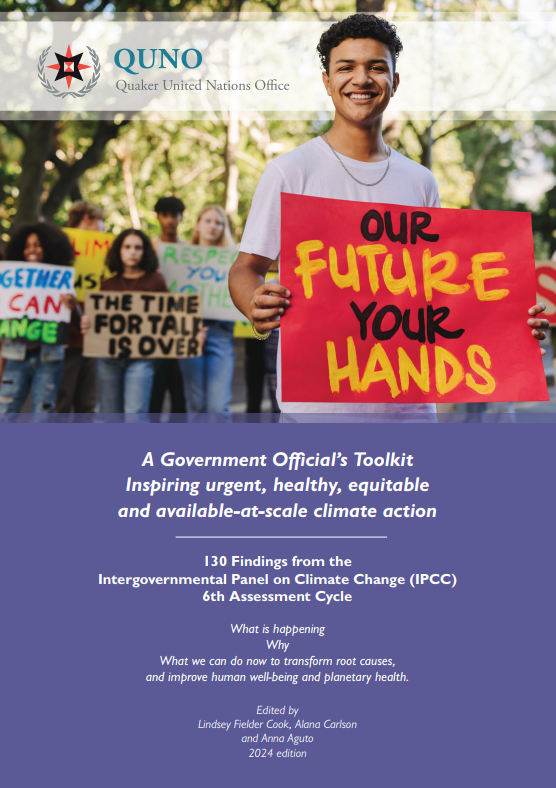
The Quaker United Nations Office (QUNO) in Geneva has just published an updated version ‘A Government Official’s Toolkit: Inspiring Urgent, Real, and Equitable Climate Action,’ which is available in English, Arabic, and Spanish. This publication is aimed at enhancing understanding and communication of climate change.
‘A Government Official’s Toolkit: Inspiring Urgent, Real, and Equitable Climate Action’ has been updated with the most recent scientific findings from the Intergovernmental Panel on Climate Change’s (IPCC) 6th Assessment Report (AR6). This report was compiled for just over seven years and involved hundreds of scientists worldwide.
The IPCC informs governments on what is happening, why, and what people can do to avert catastrophic climate change.
QUNO’s updated ‘A Government Official’s Toolkit’ aims to empower policymakers and climate advocates with the latest IPCC findings on root causes and urgent, feasible, and near-term options that are already available at scale to address climate change and improve well-being and planetary health. QUNO believes that everyone should have easy access to the science presented to our governments.
This publication is accessible online and via a print-at-home version, which can be used for personal distribution and campaigning.
 QUAKERS & CLIMATE CHANGE WORLDWIDE