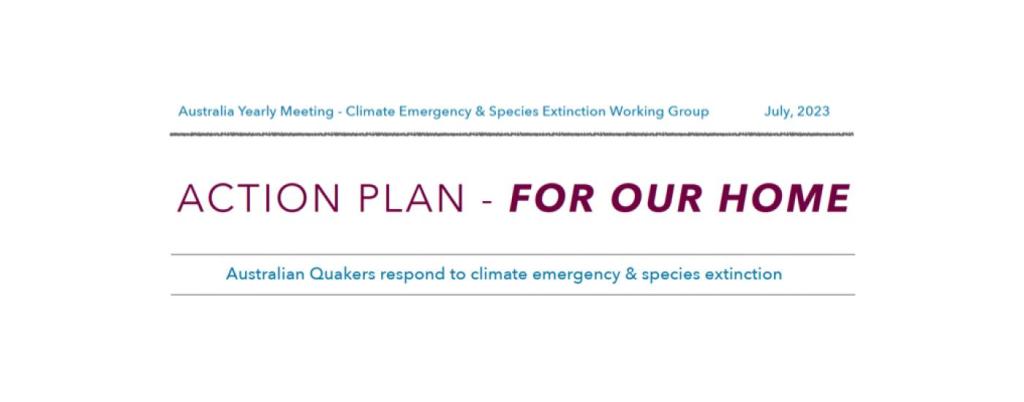
The Australian Yearly Meeting Emergency & Species Extinction Working Group is holding online workshops with Quakers throughout Australia to shape the continued work on the Climate Action Plan. The Climate Action Plan was accepted by the Australian Yearly Meeting in July 2023 and calls on Australian Friends to take urgent action to stop the continued damage and harm done to the planet. These efforts include taking action; educating and mentoring; repairing relations with the Earth; reevaluating finances; mourning loss and instilling hope; repairing the Earth; and listening and supporting First Nations Peoples.
In preparation for the 2024 Yearly Meeting, the Working Group—with feedback from Australian Quakers—hopes to expand the action plan to include a witness and accountability process. You can learn more about this work here.
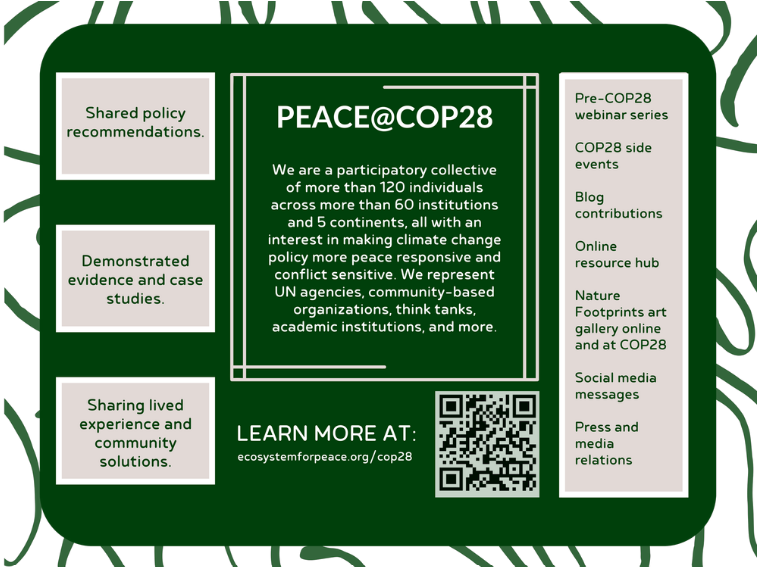
For the first time, COP28 will hold a thematic convening day around peace. QUNO Geneva, along with more than 60 institutions, participates in a collective of stakeholders passionate and determined to make climate change policy more aware of peace and conflict concerns.
Ahead of COP28 in Dubai, Peace@COP28 published a list of policy recommendations to encourage conflict-sensitive climate policies including mitigating greenhouse gas emissions from military and security forces and applying a conflict-sensitive lens to loss and damage funding arrangements. You can read the full list of policy recommendations here. You can learn more about Peace@COP28 and find upcoming events here.
The Intergovernmental Panel on Climate Change (IPCC) is a United Nations intergovernmental body that is mandated to provide “policy relevant but not policy prescriptive” information. From the 13-19th of March, the IPCC met in Interlaken, Switzerland, for the final approval session of the Summary for Policy Makers (SPM) for the Sixth Assessment Report (AR6) Synthesis Report. IPCC reports are increasingly used by citizens worldwide to hold their governments accountable for sufficient climate action.
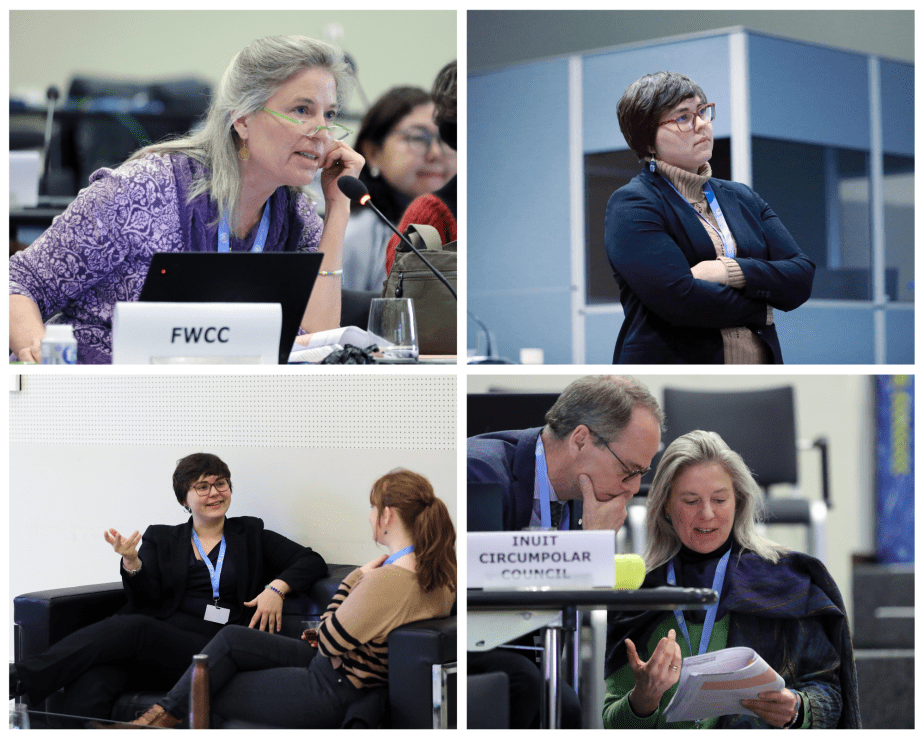
The Friends World Committee for Consultation (FWCC) is the only active, independently accredited faith-based organization at the IPCC. Within the IPCC, Friends uphold transparency and the integrity of the latest climate science, as well as encourage clear messaging on urgent, transformative, and rights-based climate action. During the approval session, the Quaker United Nations Office, on behalf of the FWCC, made 24 interventions in total.
To read more about the IPCC process, access its reports, and see all 24 interventions, click here.
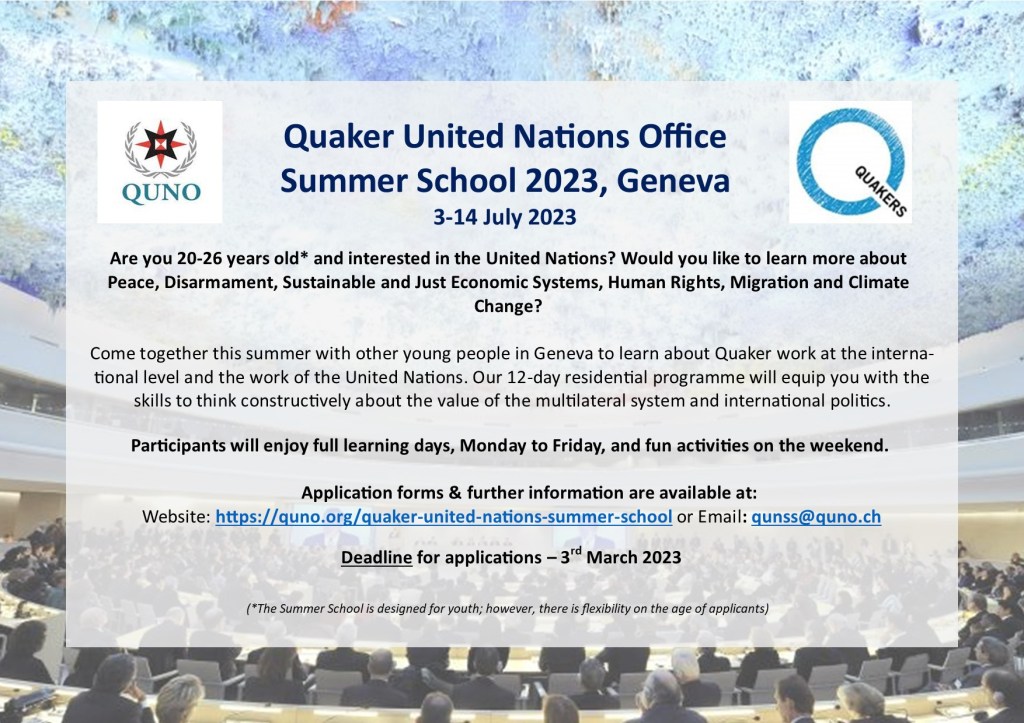
The Quaker United Nations Office’s summer school program returns in person from 3-14 July 2023. Taking place at the heart of international governance, the 12-day residential program in Geneva is an opportunity for young people to learn about QUNO’s work, multilateral governance, and some of the most pressing international politics of our day, including the climate crisis. Apply by March 3rd. Click here to learn more about the program. Applications and reference letters can be accessed here.
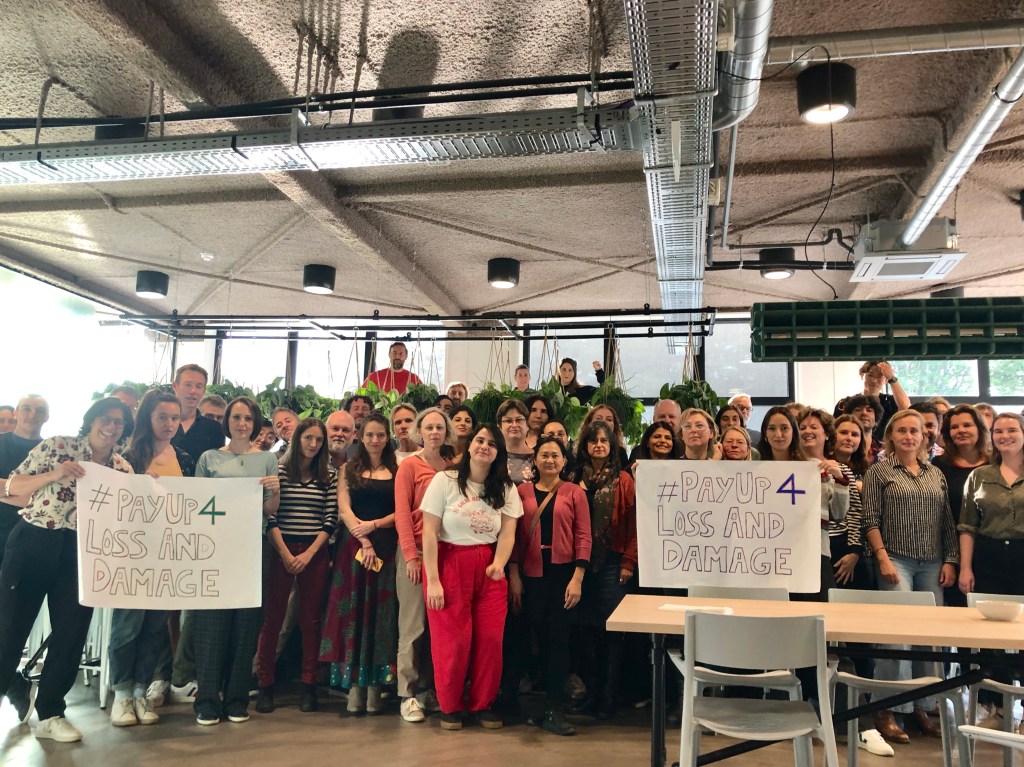
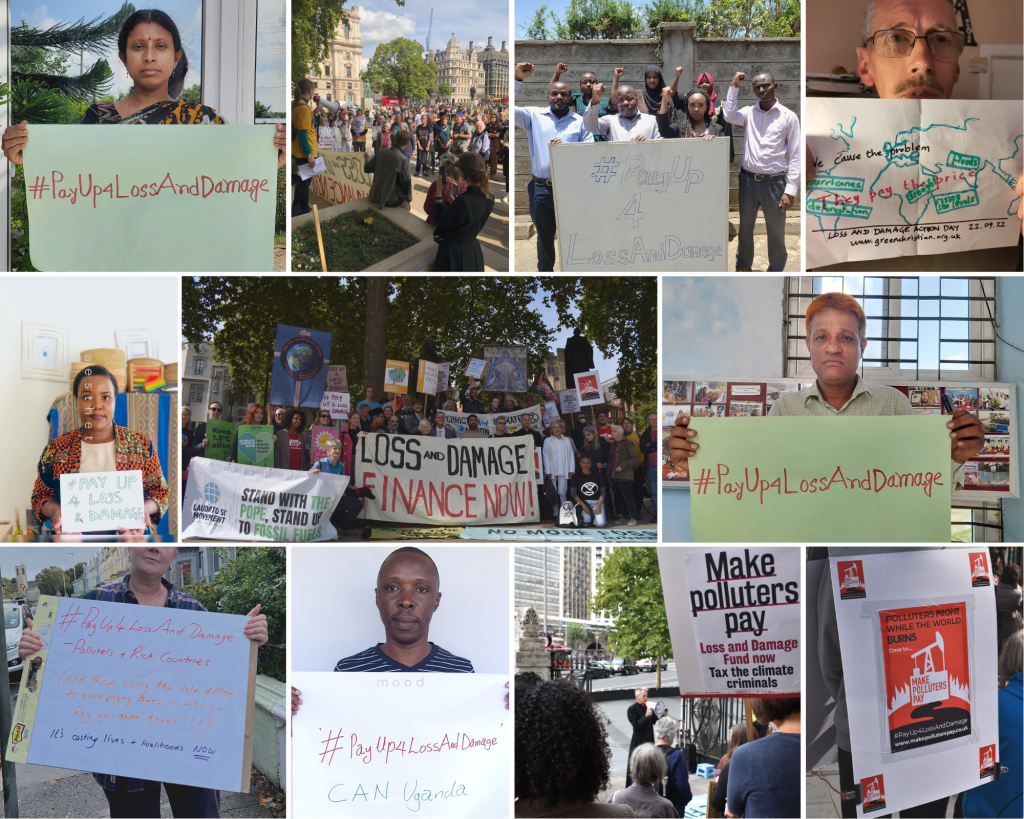
Quaker Peace and Social Witness has shared that on 22 September, individuals were invited to participate in Loss and Damage Action Day. Last week, people around the world stood in solidarity with those living under the worst conditions of the climate crisis and called for “polluters to pay up.” As rich countries and large emitters of greenhouse gas emissions continue to knowingly damage the planet and threaten the well being of the earth’s most vulnerable, Quakers continue to call for urgent, sustainable and transformative climate action.
Photo by Michael Preston
Loss and Damage refers specifically to the negative impacts of climate change that have already been experienced. It also refers to those losses that have yet to occur but inevitably will. Often the people most impacted are already the poorest and most vulnerable inhabitants of earth who have contributed the least to the climate crisis. On the 22nd, hundreds of Quakers and others came together across the United Kingdom, including as part of a walk of witness from St. John’s Church, Waterloo, to Parliament Square, in order to increase pressure on the largest polluters to be responsible for the consequences of their actions.
Photo by Michael Preston
As the climate crisis continues to be increasingly felt around the world, it is more important than ever to put pressure on those most responsible. To stand in solidarity at any time of the year with those most impacted by climate change, here are a few simple actions you can take:
1. Write to your national representatives to tell them about how important it is to fund loss and damage.
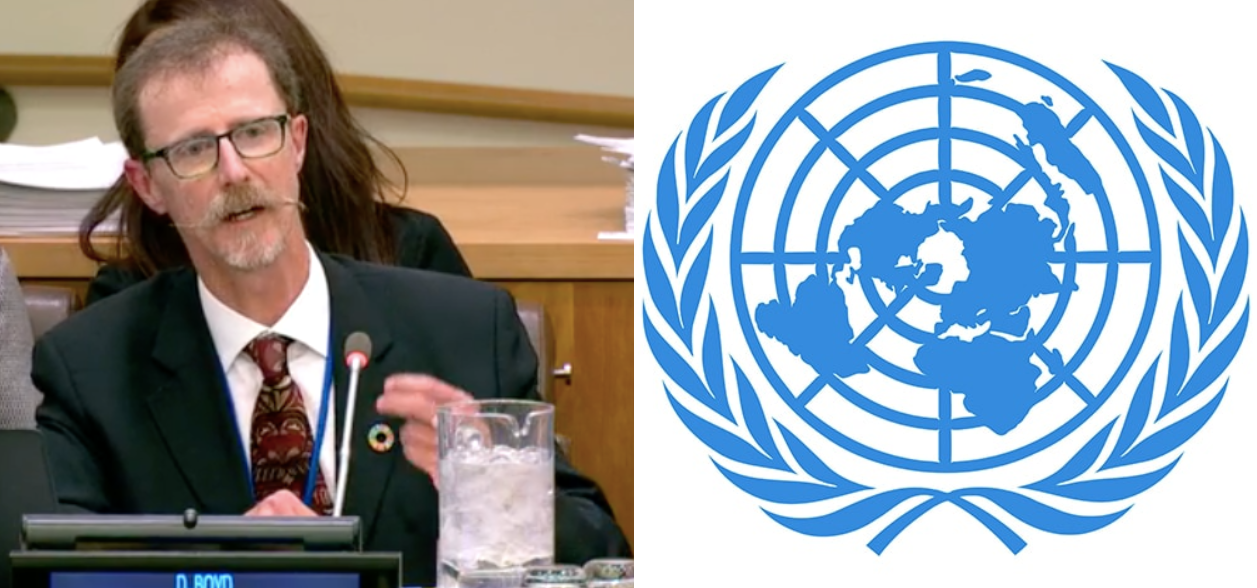
In his report to the Fortieth Session of the Human Rights Council of march this year, the new Special Rapporteur on human rights and the environment, David Boyd, highlights global normative acceptance of states regarding their obligations to provide a healthy environment. In his report, Boyd states: “In total, at least 155 States are legally obligated, through treaties, constitutions, and legislation, to respect, protect and fulfil the right to a healthy environment.”
Boyd’s report argues for the fastest possible action to respond to the most pressing environmental issues. The proof that the majority of countries already have legally enshrined this obligation is compelling evidence of a growing consensus enough to encourage the multilateral fora to take swift and effective action to be proactive in providing a healthy and safe environment.
You can read the Special Rapporteur’s report here.
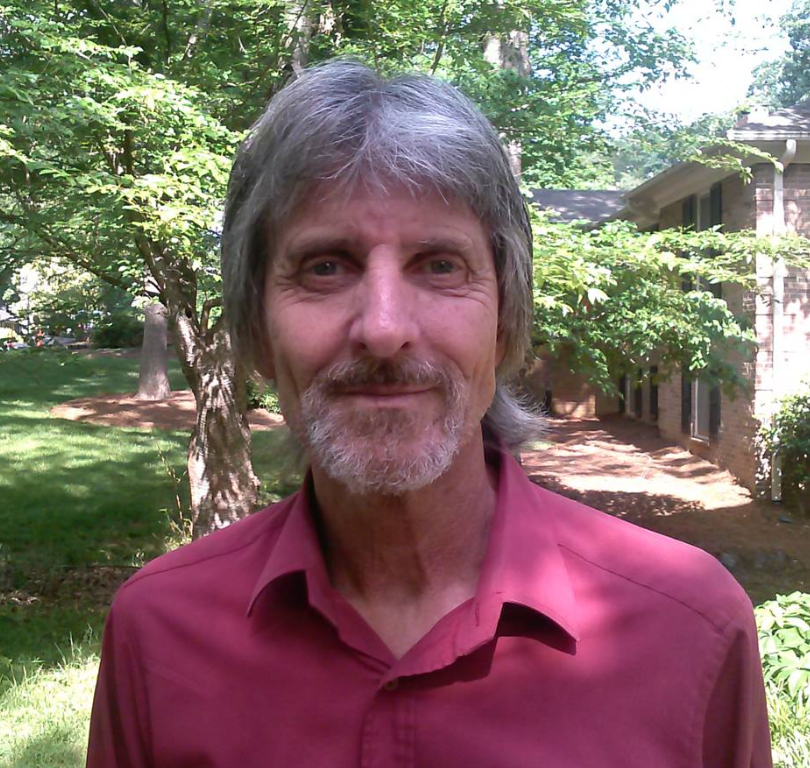
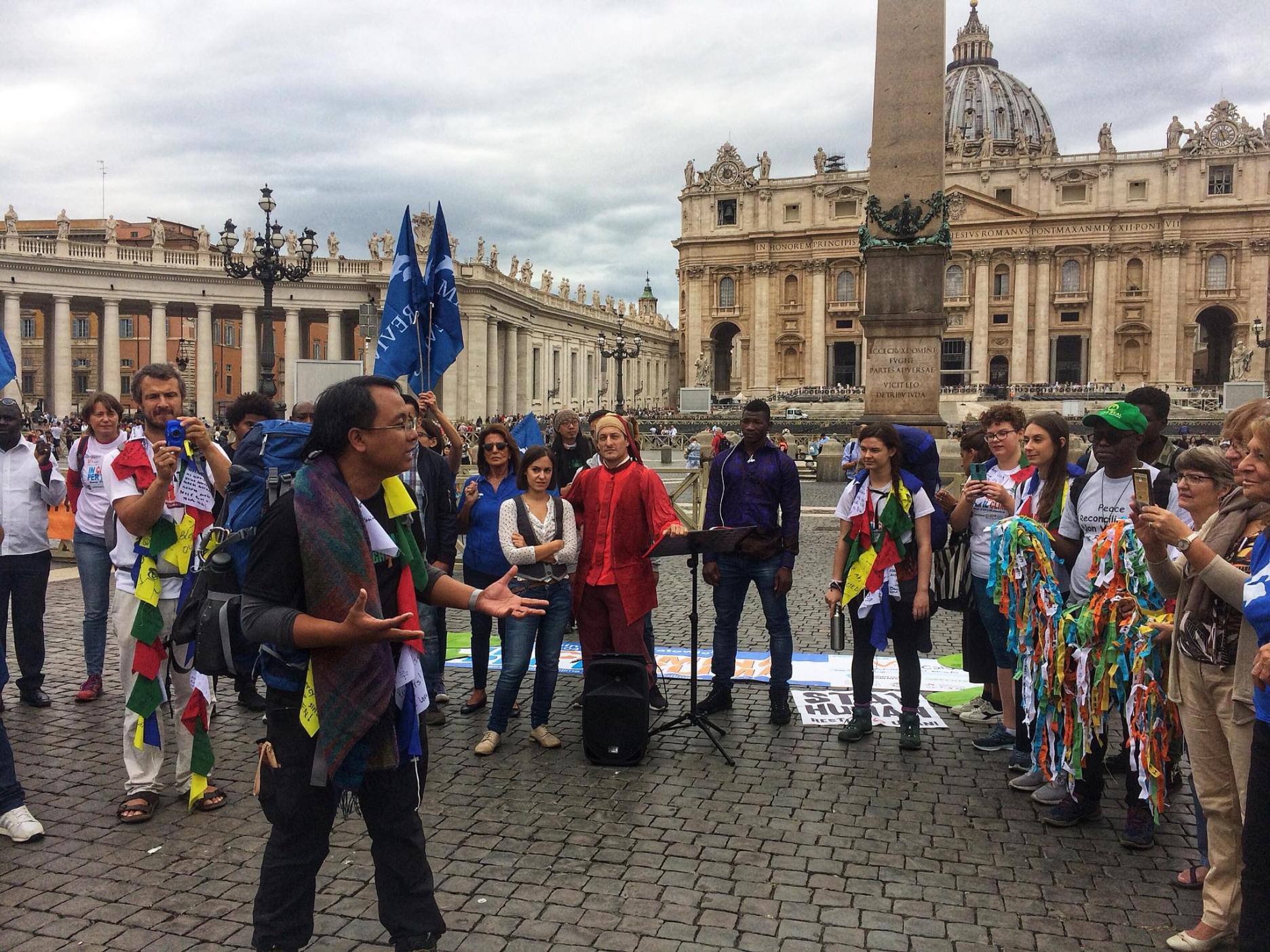
Today, and for the duration of the COP 24 we will be holding Friend Alan Burns in the light. Alan passed away on the 11th of November whilst carrying out a pilgrimage from the Vatican to Katowice. More information about Alan is available on his blog. To hear about the pilgrims who have continued their walk, more information is available on the Facebook page.
We thank Liz for writing this post and sharing it with us.
“Many of you know that my husband Alan Burns has been in Europe for the past several months on a pilgrimage to raise awareness about climate change. He and a group of fellow activists were walking from Rome to Katowice Poland in time for the Climate Conference. I received news Sunday morning that Alan had died while the pilgrims were in Slovenia. Please hold Alan, his family, and his friends in the light as we process this transition, and do whatever is in your power to continue his work to avert the worst catastrophe this planet has faced. Alan was a kind soul and a tireless worker for peace, justice, and equality; he lived his life as he hoped others would, and I think died doing exactly what he wanted to be doing – helping the save the world.”
We are grateful to Alan for his life and his unwavering light given to the important issue of climate change which is also close to our own hearts.

 QUAKERS & CLIMATE CHANGE WORLDWIDE