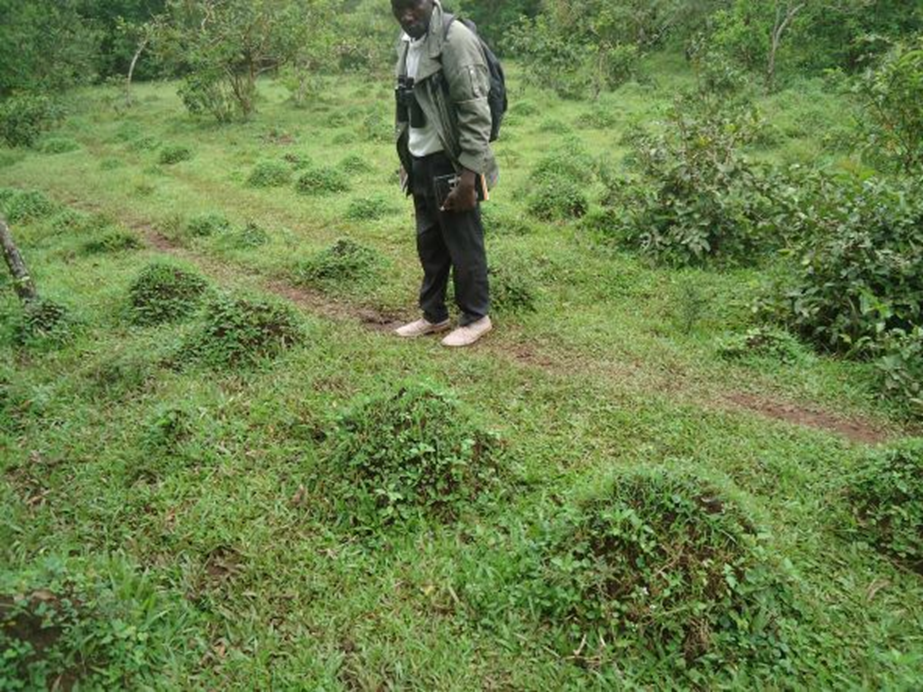
Hezron Masitsa, the Justice and Peace Secretary for Friends World Committee for Consultation (FWCC) recently shared his research and reflections on traditional food preservation as part of the 2025 Eva Koch Scholar Presentations.
Selected by Woodbrooke, an international Quaker learning center, to be an Eva Koch Scholar in the 2025 calendar year, Hezron’s research provides insight and investigation into traditional indigenous practices that have received little past examination and show the wisdom of native practices in East Africa. His complete research paper can be read below and provides an overview of his outreach and interviews with elders to learn about traditional food preservation methods used to improve infant mortality and bolster adult health and longevity. Food shortages in Africa due to environmental crises have had devastating impacts on community health and these traditional practices are important to consider as climate change exacerbates the impact and frequency of drought and famine. In his Eva Kock Scholar Presentation (available to watch here), Hezron describes how learning about traditional indigenous food preservation practices uphold Quaker values of sustainability and stewardship. His words and research inspire us to further embrace longstanding wisdom into how best to safely and healthily live in harmony with creation.
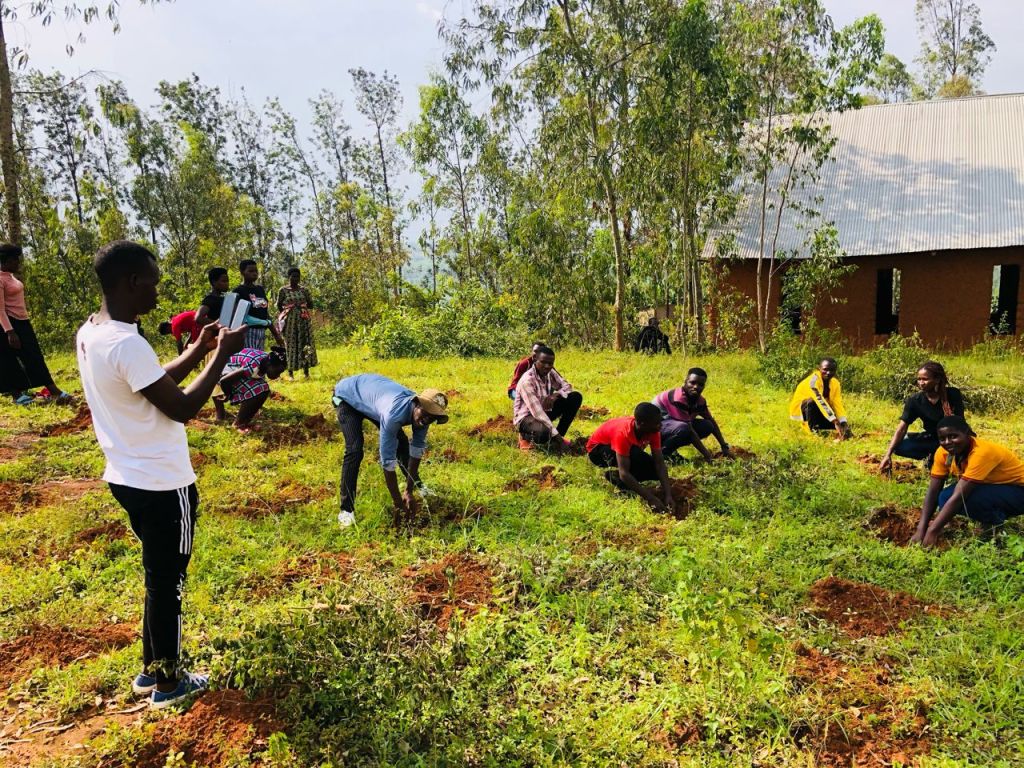
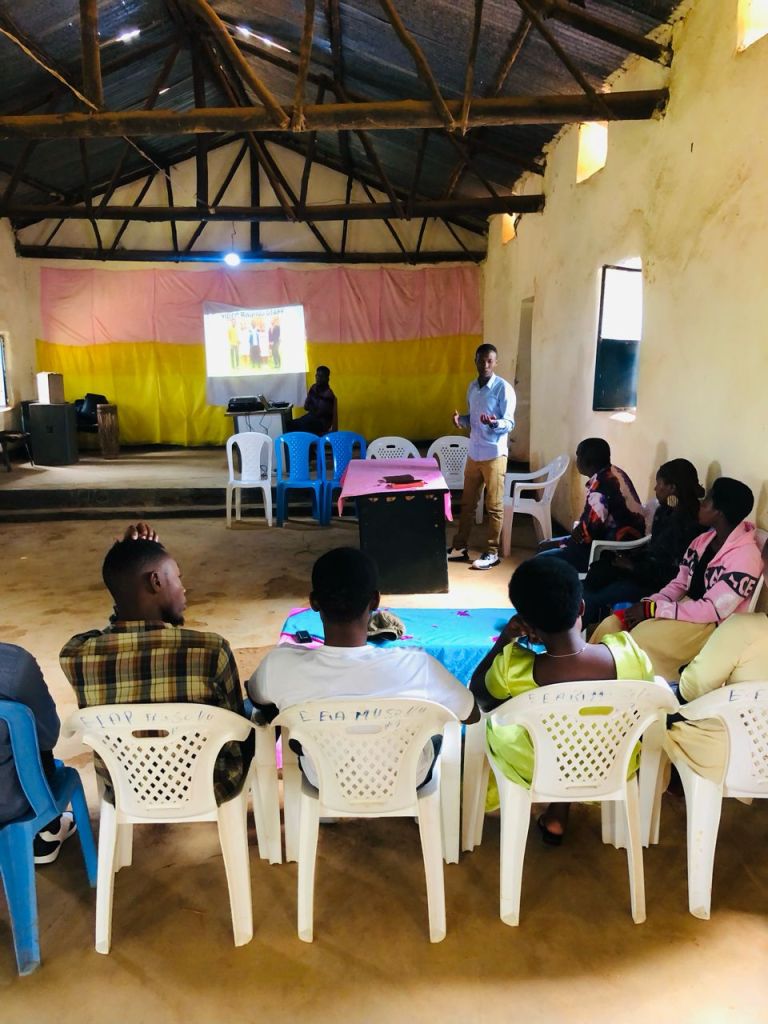
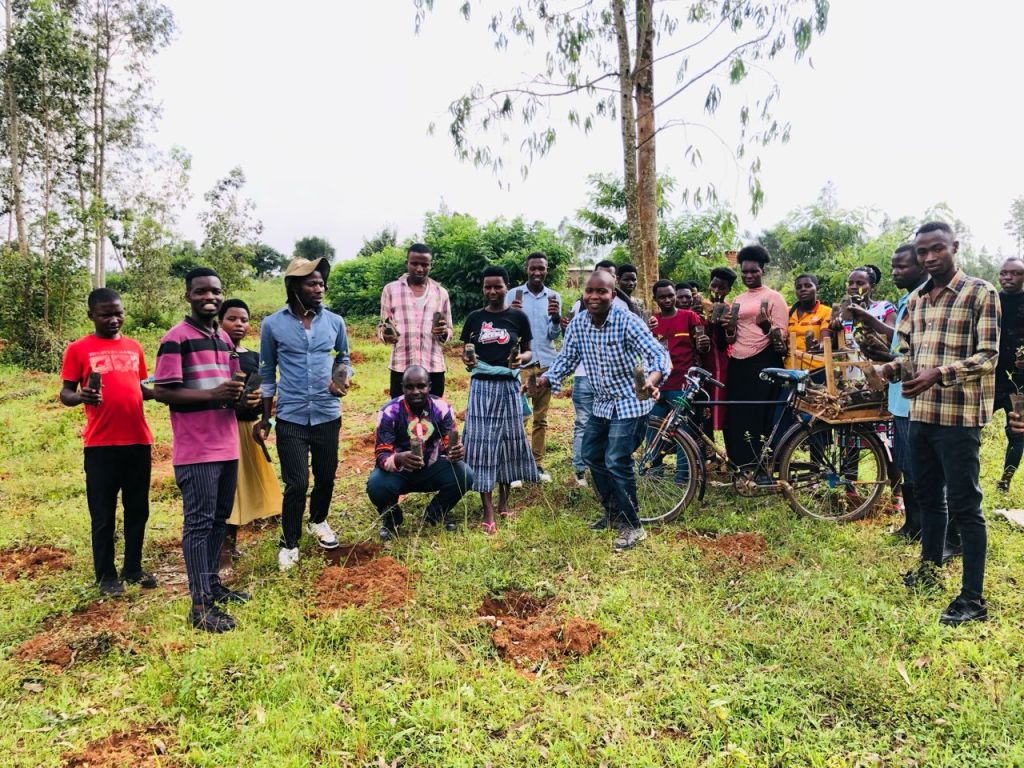
A youth-led initiative founded by Quaker United Nations Summer School alumni, Youth Impacts Development and Environmental Change (YIDEC), has been working in Rwanda to address the challenges of climate change through education, environmental action, and youth empowerment.
In partnership with Quaker Earthcare Witness (QEW), YIDEC recently planted 2,000 trees in Bugesera District, an area in Eastern Rwanda that frequently experiences drought. The tree-planting effort aims to restore degraded land, enhance biodiversity, and promote long-term climate resilience. YIDEC engages young people through environmental workshops, awareness campaigns, and practical initiatives. The organization is also preparing to launch a small-scale agriculture-for-business program, designed to support youth—especially those affected by climate change and school absenteeism—by equipping them with sustainable livelihood skills.
By combining environmental stewardship with vocational empowerment, YIDEC is working to cultivate a generation of young leaders committed to creating lasting change in their communities and beyond.
The Interfaith Liaison Committee to UNFCCC (ILC) is a network of faith-based organisations active on climate justice. For more than a decade, ILC has brought together faith-based actors at UNFCCC COPs to act together for climate action.
Over the years, calls and statements have been crafted in an inclusive way to call upon the global community to act and take moral responsibility to avoid the most dangerous consequences related to climate change and to protect the most vulnerable from climate-induced catastrophes.
This year, ILC created a call to COP 30 well ahead of the meeting in Brazil. In an inclusive process, ILC invited faith-based actors to contribute to the content of the call in webinars.
This call is now open for endorsements and a tool for advocacy work.
If your organisation wants to endorse it, please do so by signing on here. Everyone is encouraged to use it as a tool to inform decision makers and influential institutions of the global situation we are facing today and the moral obligation to act.
Please read the full Call to Action in English here.
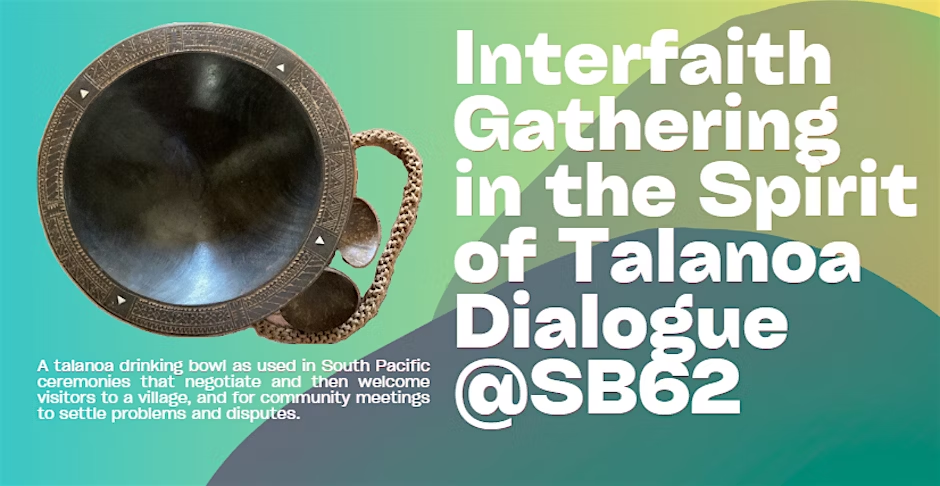
The Interfaith Liaison Committee to the UNFCCC is holding an interfaith gathering in the spirit of Talanoa Dialogue at the SB62 climate negotiations this June. The event will provide a safe, respectful, trusting and supportive space to reflect as people of faith, communities, and institutions on questions concerning the climate crisis in the context of challenges to multilateralism and peace.
Please join us online or in person on Monday, June 16 at Katholisches Pfarramt St. Winfried Bonn-Südstadt (Catholic Parish Office of St Winfried) Sträßchensweg 3, 53113 in Bonn, Germany.
Schedule
5:00 Arrival & Sign-in
5:30 Introduction and Panel (themes: Global Ethical Stocktake, Nationally Determined Contributions—NDCs; Human Rights & Climate Justice, Finance)
6:15 Dialogues (in small groups, by theme of interest
Image courtesy of ‘Friends Journal’ and FWCC: “Food distribution in Gatumba, Burundi, supported by FWCC’s Climate Emergency Fund, following floods, 2024.“
‘Friends Journal’, a prominent Quaker media publication, recently profiled actions Quaker meetings and communities are taking around the world to address and respond to climate change.
Staff writer Sharlee DiMenichi highlights efforts taken at the local and international levels by Quakers including in Kenya, Bolivia, the Philippines, and at the Intergovernmental Panel on Climate Change. The article demonstrates Friends’ widespread concern for climate as a peace and justice issue while documenting specific examples of the personalized impacts of a warming planet. It delves into the ongoing work of various Quaker organizations including climate related efforts by Friends World Committee for Consultation (FWCC), Friends International Bilingual Center (FIBC), Quaker Earthcare Witness, Earth Quaker Action Team, and Quaker United Nations Office. Portraying the depth and breadth of these actions, it is clear that Friends are witnessing and responding to a wide range of public health, economic, and weather related effects of climate change. Their work is clearly critical in implementing sustainable practices to address climate change’s root causes.
Grounding Quaker action in foundational testimonies of peace, equality, and sustainability is a commitment shared across the world and Friends Journal has written about these efforts in an inspiring and galvanizing piece.
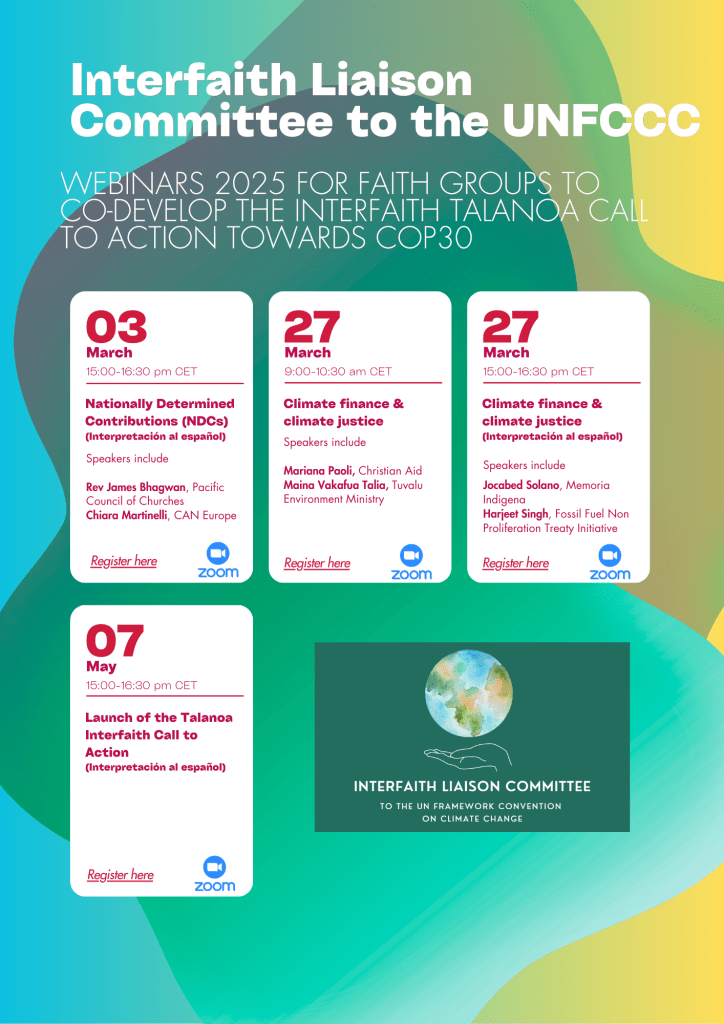
The Interfaith Liaison Committee, is organizing a webinar series in spring 2025 and invites all interested individuals and interfaith organizations to attend and co-develop the Interfaith Talanoa Call to Action towards COP30.
Don’t hesitate to join this opportunity to make your voice heard, and to share this invitation with others.
Please find the invitation for the ILC series of webinars towards COP30 here.
Individual registration links for each webinar in the series are available as well below:
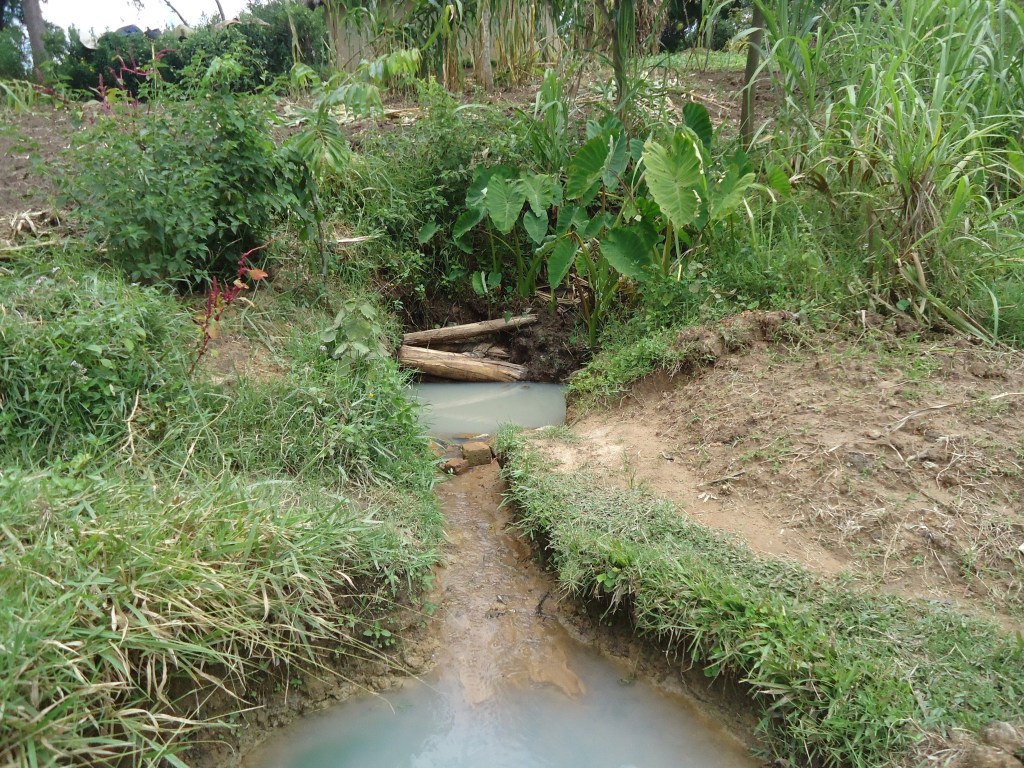
Quakers United for Environmental Sustainability Program (QUESP) is a new initiative formed by members from the Malava Yearly Meeting and led by Jairus Koki. Their mission is “To be true Stewards of God’s Creation through actions to combat climate change”. The formation of the program is inspired by concerns about the adverse effects of climate change affecting communities in Western Kenya, including changing rain patterns, failure of crops leading to increased food insecurity, and the destruction of water catchment areas.
Members of the group feel that they have a duty to combat the negative effects resulting from climate change by taking responsibility for the care of the world that God bestowed to us in Genesis as stewards. These effects have left Quaker churches, schools, and homes bare without trees and natural vegetation, even lacking shade to sit under when it is hot. Many indigenous trees that were known to provide shelter and conserve water catchment areas have either been uprooted or cut down for charcoal.
QUESP members feel obliged to be stewards of God’s creation and help restore it. Though still a new organization, they plan to realize this mission through several activities, including visiting churches (of Quakers and non-Quakers) to spread awareness on taking care of God’s creation; documenting indigenous methods of environmental conservation; undertaking tree nursery development and management training, and by supporting tree seedling plantings to restore destroyed habitats. QUESP is in the process of registration and hopes to achieve these dreams with the help of like minded friends.
Permaculture For Refugees (P4R) is an organization that seeks to sustain livelihoods and ecosystems by inspiring sustainable permaculture practices in refugee camps and communities globally.
In the past, peacebuilding efforts by P4R have aided refugee communities around the world including in East Africa and Bangladesh. Following a year of global conflict, their teachings have been more essential than ever to the many displaced by strife and violence in domestic and international settings.
With strong historic and continuing support from Australian Quakers, P4R is now working to support permaculture practices and practitioners in the Middle East with a specific focus on Gaza. In addition, in Myanmar their network is setting up refugee schools with permaculture instruction for ethnic minorities from Malaysia. A new permaculture teacher training in Spain is occurring with a focus on refugees and a Ukrainian ecovillage has been providing news of their permaculture instruction.
John Meadley has spent a lifetime, since 1968, engaged with rural communities in Africa, Asia and the Caribbean. Many of these communities are materially poor, although culturally and spiritually rich, and experience hunger. Reflecting this, some 16 years ago he felt increasingly uneasy about the feeding of large amounts of grains and pulses to farm animals – particularly to ruminants (which include cattle, sheep, goats and buffaloes) for whom this is not their natural diet. A chance conversation with two British farmers who were already raising their cattle and sheep wholly on pasture led to the decision to encourage other farmers to do the same. A small gathering shortly afterwards in Cheltenham Meeting House discussed the way ahead. One of the key decisions was to be non-judgemental, which proved to be pivotal to what followed.
Out of this initial meeting has emerged the Pasture for Life movement, which champions the restorative power of grazing animals on pasture. Now with approaching 1,500 members (mainly farmers but also vets, academics, butchers and restauranteurs) spread across the UK and into Ireland it has an extensive outreach programme, with over 130 events last year. A strong research programme works with academic institutions both in the UK and mainland Europe – led by a team of three post-graduate-trained farmers – all of whom are women.
Encountering a lot of resistance, in 2016 the publication Pasture for Life: It Can Be Done was a turning point through providing a blend of inspiring stories and hard economic data that showed that raising ruminants wholly on pasture can be both ecologically sound and financially profitable. A series of case studies from 30 farms has demonstrated how grazing animals can nurture biodiversity, summarised in this article on Biodiversity and the Grazing Ruminant to which an introduction can be found here.
The world’s soils hold more than three times as much carbon as is in the atmosphere. Two thirds of the world’s farmland is under pasture, making the soil beneath it the world’s largest single terrestrial store of carbon. When soil is cultivated to produce the cereals and pulses on which we all depend its structure is damaged, the life in the soil is diminished and organic matter is lost to the atmosphere as CO2. Since time immemorial, farmers have healed the soil by the planting and grazing of pasture – a practice that has been increasingly lost with the introduction of industrial farming but which is now being encouraged by Pasture for Life.
Pasture for Life has Quaker roots. Both John Meadley (John M) and one of the two co-founding farmers, organic farmer John Turner (John T), are Quakers. “Quaker values have been built into the warp and weft of the movement” they note “with farming being seen as a two-way conversation with nature”. John T remained closely involved for several years before moving on to play a pioneering role in the development of Population (heterogeneous) Crops within British farming – about which more another time. Latterly John M has also stood back to allow a strong team of farmers to take over the strategic and operational running of the movement, confident that reverence for nature is, and will remain, integral to its ethos. For more information, watch this short history of Pasture for Life.”
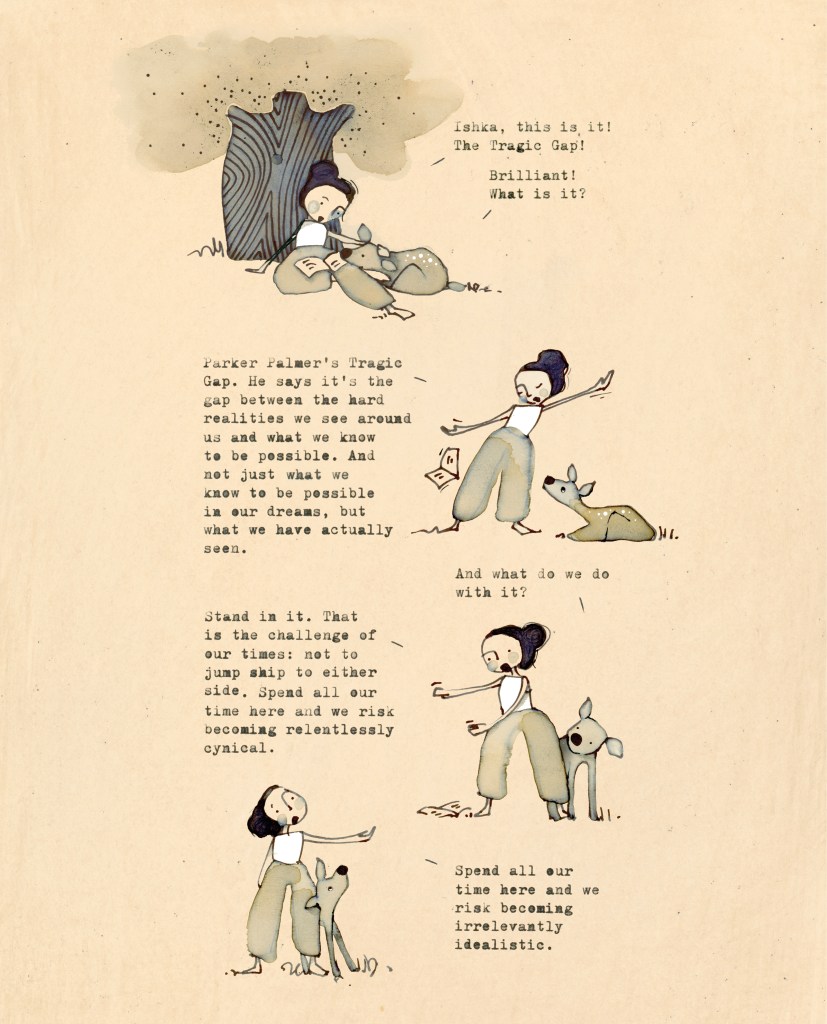
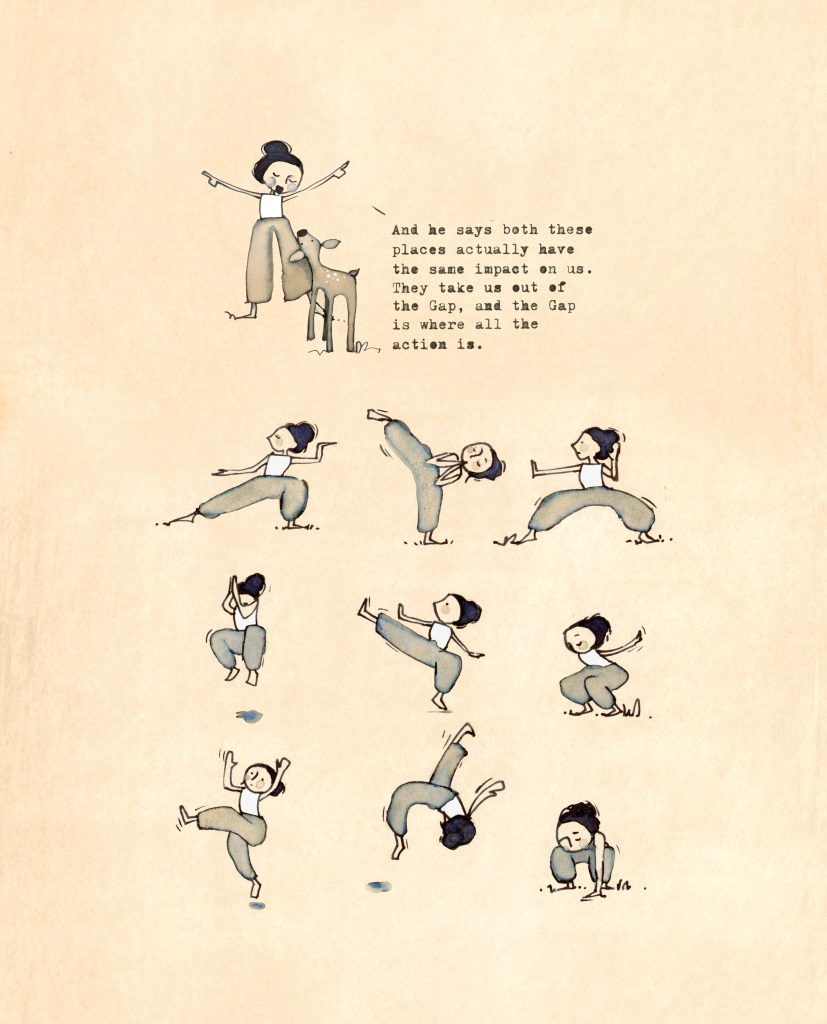
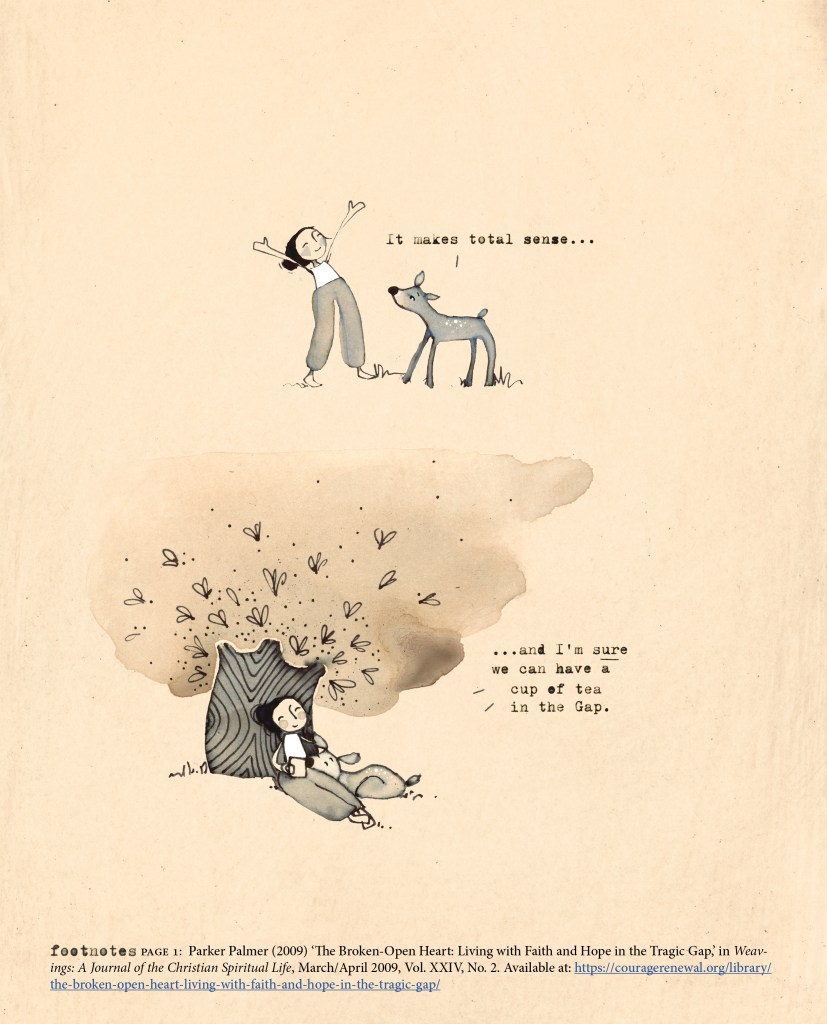
Lynn Finnegan, a Quaker based on the north coast of Ireland, is doing a year-long art and storytelling project called Fig & Ishka. It involves illustrated stories about two friends who paddleboard, grow food, read, hike, and sit around the fire together. They are also trying to show up to the world’s current ecological and social crises without jumping ship to complacency, cynicism or despair. Fig & Ishka often draws upon wisdom found in the teachings of Quakerism, systems thinker and activist Joanna Macy, and Buddhist Zen master Thich Nhat Hanh.
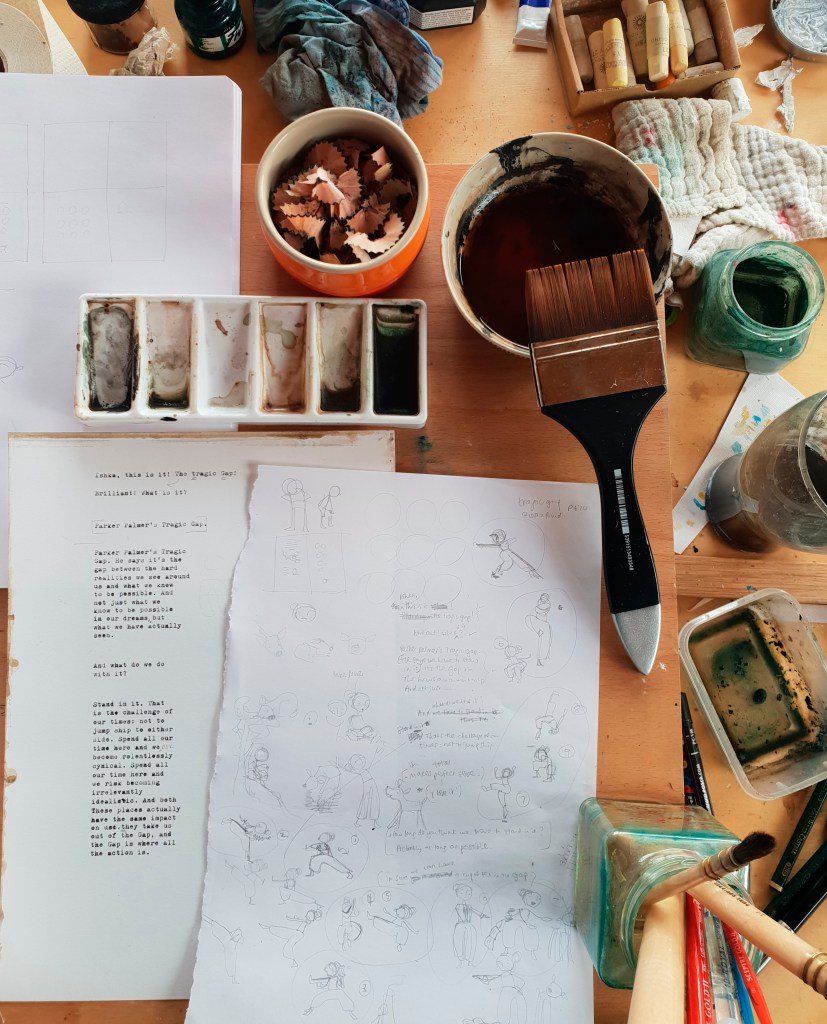
The illustrations are done with tea, ink, water and her dad’s old typewriter. They are released every Friday for one year, starting from February 2024: you can browse them all, and subscribe to new weekly posts, at www.lynnfinnegan.substack.com.


 QUAKERS & CLIMATE CHANGE WORLDWIDE