Skip to content

QUAKERS & CLIMATE CHANGE WORLDWIDE

A portal for Quaker climate action across the globe

  • Welcome
  • Contact Us
  • Blog

Category: International Political Engagement

Finance and false solutions at COP29

International Political Engagement

Lindsey Fielder Cook, Interim Deputy Director and Representative for the Human Impacts of Climate Change at the Quaker United Nations Office, reports back from COP29. (This piece is reposted from Britain Yearly Meeting. The original can be found here.)

The atmosphere during the recent climate change Conference of Parties 29 (COP29) in Baku, Azerbaijan, at times felt ominous. Trust between countries, always fragile, received hard blows.
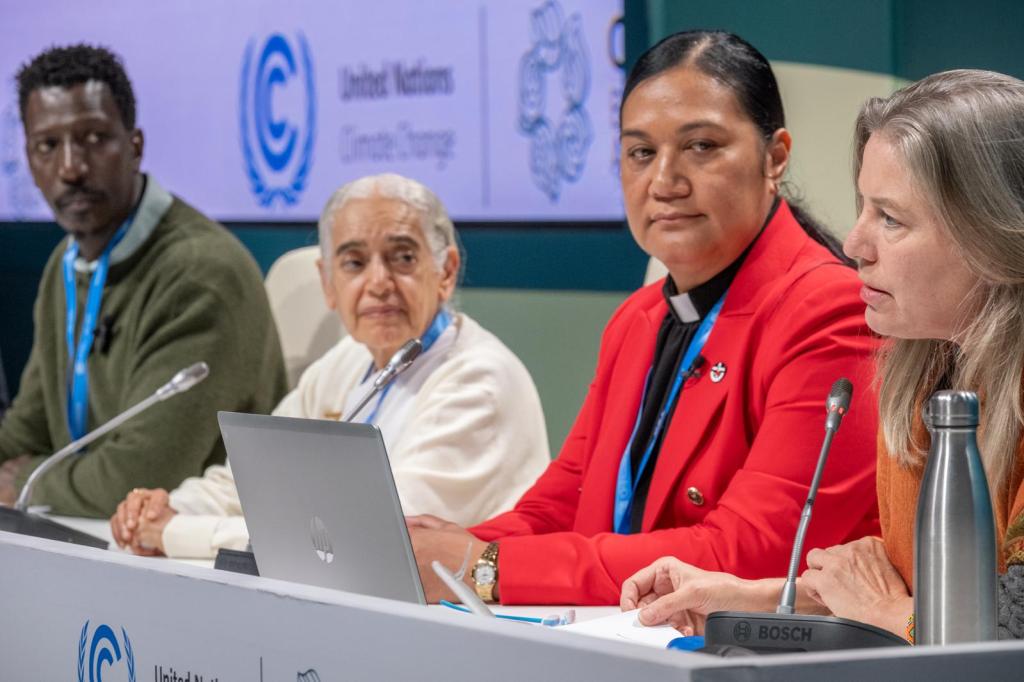
Photo credit: Simon Chambers/ACT

The wider political influences

At its core, the COP29 was about increasing financial commitments from developed to developing countries, at a time when the wealthiest and highest greenhouse gas (GHG) emitting developed country was likely to leave the process. More widely, the COP was held in a dangerous time for international relations. Powerful member states threaten use of nuclear weapons, block ceasefires and remain silent over a plausible case of genocide and attacks on UN agencies, openly reject the highest legal voices (International Court of Justice and International Criminal Court), and systemically underfund multilateral bodies while global military spending now surpasses 2.4 trillion USD. The COP29, like the recent UN Summit of the Future in September, the biodiversity COP and negotiations for a treaty on plastic pollution, have all been affected.

The COP29 began with host nation Azerbaijan referring to fossil fuels as a “gift from God”. In the negotiation room, countries discussed greenhouse gas (GHG) emissions mitigation, yet nearly every fossil fuel wealthy country in the room planned oil and gas production increases which would eliminate chances for a 1.5°C global temperature rise limit.

The denial in the room is no longer about the dangers of climate change – this is agreed. The denial now regards the ‘how’ as countries look to false solutions including geo-engineering. Too few decision makers are ready to honestly address root causes driving planetary crises in our unsustainable and inequitable energy, economic and agriculture systems. Nonetheless, there are some brave actors in the room including Colombia, which announced a cap on fossil fuel extraction. Meanwhile the UK reiterated Labour’s manifesto commitment to cap new oil and gas licenses.

What was agreed, what is at stake

Leading up to the COP29, negotiators had three years to prepare a new collective quantified goal for climate finance (NCQG), set to replace and update the ‘100 billion USD a year by 2020’ promise critical to establishing the 2015 Paris Agreement. However, that 100 billion USD a year did not materialise fully until after 2020, and harmed trust in this process.

Over the years, civil society including the Quaker United Nations Office and Quakers in Britain have proposed approaches that would make polluters pay, including fair sources of finance for loss and damage (PDF). The Paris Agreement committed developed countries to lead on financing and mitigation; they have the highest per capita GHG emissions, the highest historical emissions, and in most cases benefited financially from colonisation.

However, at the COP29 we witnessed stand-offs, last minute drafts, selective sharing, walkouts, and final language mirroring the last ineffective finance deal. Specifically, inclusion of the word ‘by’ in the clause “with developed countries taking the lead, of at least USD 300 billion per year by 2035″. The ‘by’ allows 11 years for full delivery. The text also contains no clear commitment to protect sufficient grants rather than loans that exacerbate debt, it includes many references to private finance over public finance, and no analysis on the diluting impact of inflation.

There were decisions relating to the Global Goal on Adaptation, though again without sufficient funding. A decision to extend the enhanced Lima work programme on gender was met with efforts to weaken previously agreed language relating to gender and human rights language. Finally, there were decisions on guidelines for implementation of carbon markets proposed in Articles 6.2 and 6.4 of the Paris Agreement. Carbon markets are not supported by most civil society voices at the COP29. They are essentially ‘carbon offsetting’ for high GHG emitters failing to sufficiently mitigate their own emissions. Carbon markets do not reduce greenhouse gas emissions ‘at source’, have a history of ineffectiveness, abuses of Indigenous Peoples and human rights, and fail to recognise increase of eco-system collapse under rising temperatures.

Quaker action at COP29

At the COP29 we prepared and translated toolkits for negotiators on the latest climate science, and booklets for grassroots action on ‘what we can do’. We distributed a briefing paper on the risks of geo-engineering reliance on carbon dioxide removal (CDR). We helped author an interfaith statement for the COP and helped plan and facilitate an interfaith Talanoa Dialogue with faith voices from around the world. We coordinated Quaker voices in global civil society demands for the COP Presidency to protect human rights in climate action. We co-hosted with Quakers in Britain and Quaker Earthcare Witness an official COP event titled, What Really Makes us Safe?, and in a COP Press Conference asked the same question before journalists: why do we beg for climate finance to support needed root cause transitions and help people experiencing loss and damage, while trillions are spent on weapons to oppress and kill? Throughout, we met with a diverse group of negotiators to talk through hopes and concerns, as part of our quiet diplomacy efforts here to build communication between countries.

We hold to Quaker testimonies as a clear witness to peace and justice. “Do not be afraid to say what you have found and what you value.” As Quakers, we can bring vision to overcome fear. A vision of transformations which promote clean air, clean water and healthy wildlife, promote public transport, public health and education, promote clean and more equitably owned renewable energy, sustainable and just economic systems, more equitable societies, restorative agriculture and healthy diets. The story of Care for Creation – to walk cheerfully in this world, a witness to love not fear, to regeneration not destruction.
December 6, 2024December 12, 2024 quakersandclimateClimate changeLeave a comment

COP 29 Side Event: ‘What Really Makes Us Safe?”

General Resources, International Political Engagement

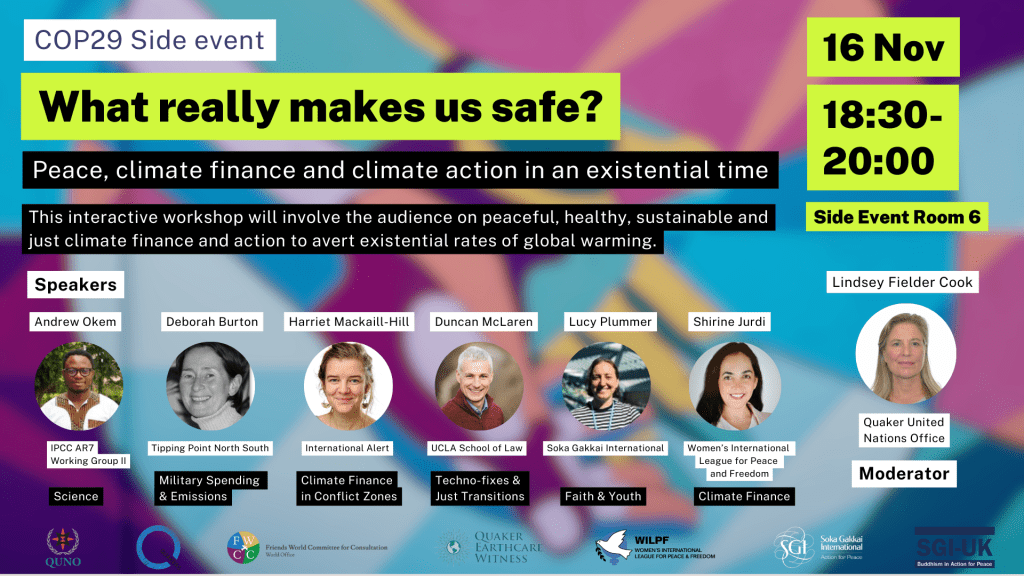
In collaboration with a number of Quaker and Interfaith organizations, QUNO co-hosted a side-event at the COP29 climate conference in Baku, Azerbaijan discussing the theme: “What really makes us safe? Peace, climate finance and climate action in an existential time”. An expert panel involved the audience in a conversation touching on peaceful, healthy, sustainable and just climate finance and action to avert existential rates of global warming

The event was moderated by QUNO’s Interim Deputy Director and Representative for the Human Impacts of Climate Change, Lindsey Fielder Cook. The panel featured an array of speakers from across the globe including the following experts:

  • Shirine Jurdi, Women’s International League for Peace and Freedom (Lebanon)
  • Deborah Burton, Tipping Point North South
  • Andrew Okem, IPCC (Head of Science of the IPCC Working Group II Technical Support Unit)
  • Lucy Plummer, Soka Gakkai International
  • Harriet Mackaill-Hill, International Alert
  • Duncan McLaren, UCLA Law School

The event was co-sponsored by Friends World Committee for Consultation, Quaker Earthcare Witness (QEW), Soka Gakkai International – UK (SGI-UK), Soka Gakkai International Office for UN Affairs, Women’s International League for Peace and Freedom (WILPF), and Quakers in Britain.

It took place on Saturday, November 16, 2024 at 6:30pm local time. A recording of the event was made by the UNFCCC and can be accessed on YouTube here.

November 5, 2024January 17, 2025 quakersandclimateClimate change1 Comment

‘Care for Creation’ testimony at World Plenary Meeting

International Political Engagement

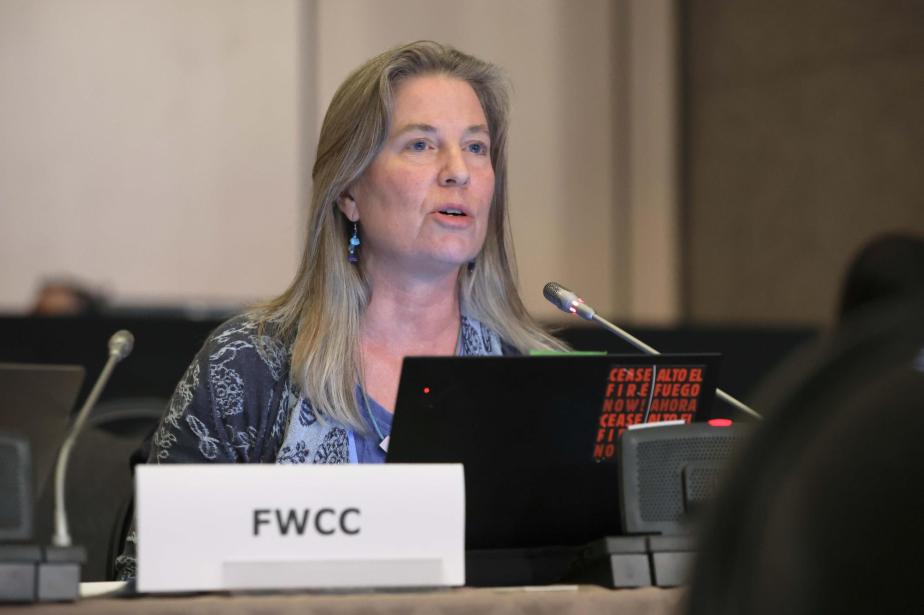
The Friends World Committee on Consultation World Plenary took place in South Africa from August 5-12th this year. As part of the programming and testimony given by Friends globally, QUNO Geneva Interim Deputy Director and Representative for the Human Impacts of Climate Change, Lindsey Fielder Cook, contributed personal reflection by video recording on the theme of ‘care for creation’. Lindsey’s powerful statement provides an overview of QUNO’s work on climate and its ties to deeply rooted Quaker values. Her call to action reflects Friends concerns for intergenerational equity and advocates for solutions that are globally just, addressing the root causes of a climate crisis based on imbalances of money and power.

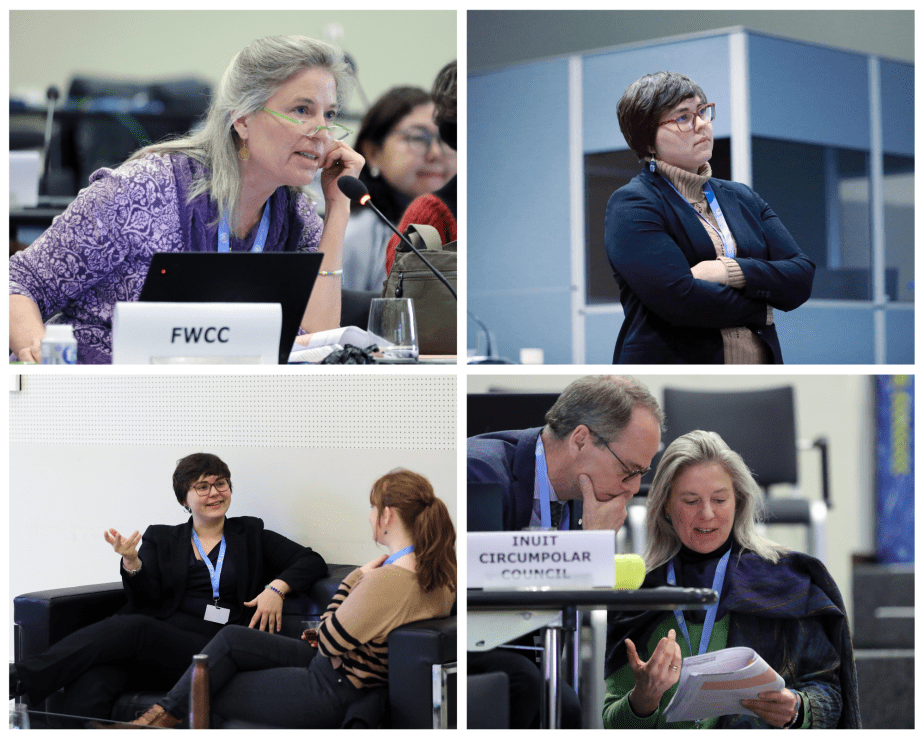
Image Credit: FWCC World Plenary

A complete transcript of the statement can be found below:

QUNO care for creation address at the World PlenaryDownload
October 21, 2024October 21, 2024 quakersandclimateClimate changeLeave a comment

QUNO Geneva at the 61st Session of the IPCC

International Political Engagement
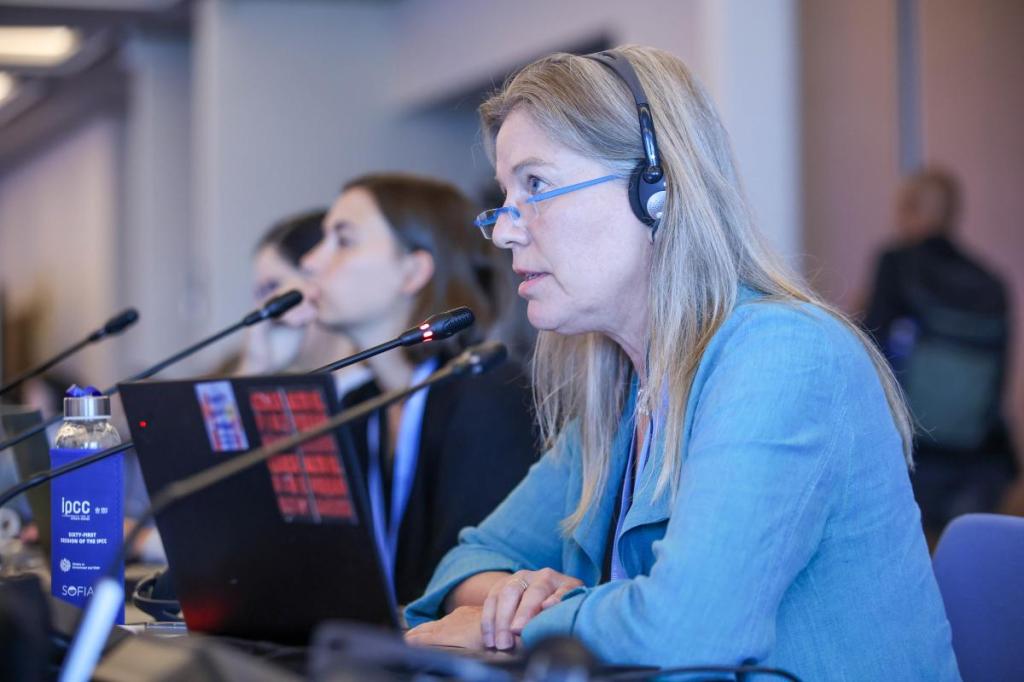
Photo by IISD/ENB | Anastasia Rodopoulou


QUNO Geneva’s Human Impacts of Climate Change Programme, speaking on behalf of Friends World Committee for Consultation, took part in the 61st Session of the Intergovernmental Panel on Climate Change (IPCC) in Sofia, Bulgaria from the 27th of July to 2nd of August.  Our FWCC interventions and the IPCC Meeting summary are available to read here. 

At this session, the panel had to decide on the programme of work for the 7th Assessment Cycle (AR7) and approve outlines of two IPCC products: the Methodology Report on Short Lived Climate Forcers and the Special Report on Climate Change and Cities.

Since 2017, QUNO has been the only independent faith-based observer at the IPCC. At this session, QUNO made interventions to raise concerns over the failure to include military emissions in greenhouse gas inventory and the dangerous reliance on speculative technologies such as large-scale carbon dioxide removal (CDR) over transformation of root causes. QUNO also highlighted the need to ensure inclusivity and transparency, to uphold the integrity of science in the upcoming cycle, to focus on protecting the most vulnerable, and for discussions of the ‘cost’ of inaction to include cost to human lives and not just economic.

By the end of the session, the IPCC approved the two outlines for further work and delayed the decision on the programme of work to the next plenary session in late February of 2025.

In addition to advocacy at negotiations, QUNO also works to communicate IPCC findings to wider audiences to help empower urgent, transformative and equitable climate action.  The latest related QUNO publications include a toolkit for Government Officials and a personal guide on what we can do. Both are available in English, French, Spanish, and Arabic.  

FWCC QUNO Interventions IPCC 61stDownload
ENB summaryDownload

August 8, 2024August 8, 2024 quakersandclimateClimate change, ipccLeave a comment

Quaker led side events at international climate negotiations

International Political Engagement

The following links highlight Quaker led side events at international climate negotiations at the United Nations Framework Convention on Climate Change (UNFCCC).

SB60 – ‘How ethical values can guide more successful and effective NDC policies’
COP28 – ‘Shifting money and power: true transformational climate action as a peace and justice multiplier’
SB58 – ‘Truthful engagement in real, effective and ethical emission reductions for an ambitious GST’
COP27 – ‘Effective, ethical, and equitable climate action in the Arctic: the role of climate justice’

June 11, 2024 quakersandclimateClimate change, international climate negotiationsLeave a comment
Quakers at COP28

Quakers at COP28

International Political Engagement

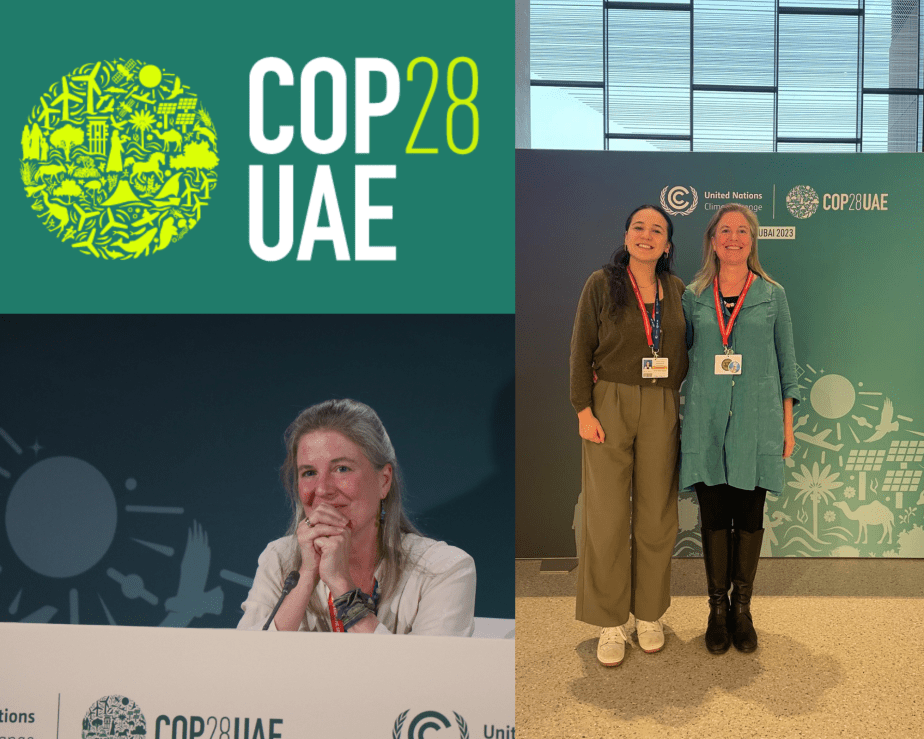
Quaker United Nations Office Geneva Human Impacts of Climate Change Programme attended the 28th Conference of Parties (COP28) in Dubai in November and December 2023. At COP28, the main challenges included delivery of an urgent, equitable and science based Global Stocktake, strengthening on just transition and mitigation efforts, and appropriate financing for adaptation and loss and damage.

QUNO COP28 Advocacy
QUNO COP28 Analysis
February 14, 2024 quakersandclimate1 Comment
QUNO Geneva’s Engagement at the 60th Session of the IPCC

QUNO Geneva’s Engagement at the 60th Session of the IPCC

International Political Engagement

QUNO’s Human Impact of Climate Change programme, speaking on behalf of the Friends World Committee for Consultation, participated in the 60th Session of the Intergovernmental Panel on Climate Change (IPCC) in Istanbul, Turkey. 

At this session, the panel was tasked with crucial decisions on IPCC’s finances and its work for the 7th Assessment Cycle. QUNO submitted three interventions: advocating for the need to focus on the transformation of root causes rather than feeding unhealthy reliance on fossil fuels through research on geo-engineering; for research that upholds the rights and knowledge of Indigenous peoples; and the inclusion of military emissions in IPCC modeling and greenhouse gas emissions reporting. 

QUNO’s specific interventions and a debrief analysis on the negotiations and results of the 60th Session are available for download.

fwcc-quno-interventions-at-60th-session-ipccDownload
ipcc-ar7-quno-one-pager-Download
February 14, 2024February 14, 2024 quakersandclimateClimate change, climate science, ipcc, qunoLeave a comment

Peace@COP Policy Recommendations

International Political Engagement

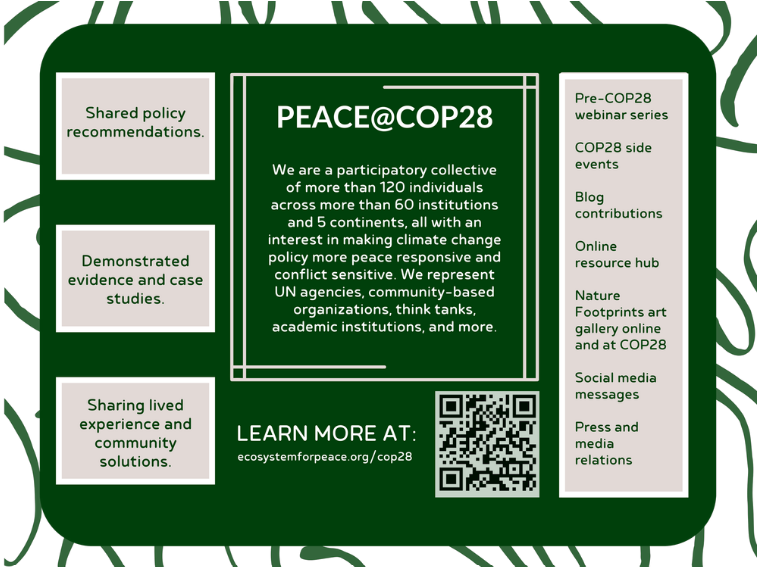
For the first time, COP28 will hold a thematic convening day around peace. QUNO Geneva, along with more than 60 institutions, participates in a collective of stakeholders passionate and determined to make climate change policy more aware of peace and conflict concerns.

Ahead of COP28 in Dubai, Peace@COP28 published a list of policy recommendations to encourage conflict-sensitive climate policies including mitigating greenhouse gas emissions from military and security forces and applying a conflict-sensitive lens to loss and damage funding arrangements. You can read the full list of policy recommendations here. You can learn more about Peace@COP28 and find upcoming events here. 

September 26, 2023 quakersandclimateClimate change, international engagement, peace and climate change, qunoLeave a comment

QCEA highlights climate breakdown and militarism

International Political Engagement

The Quaker Council for European Affairs (QCEA) has launched its report Storytelling from the Frontlines: Forefronting the voices of communities most affected by militarism and the climate crisis.

QCEA says that “through storytellers’ eyes” we see how militarization and securitized responses to the climate crisis negatively impact the natural environment that communities depend upon to thrive and survive. Its through such stories as well that we see how militarization hinders local efforts to tackle climate and environmental issues at the community level. The interviews that make up this report represent voices from people living in places as diverse as from Palestine to Guatemala, and from the Mariana Islands to Vietnam. To read the full report, click here.

May 4, 2023 quakersandclimateLeave a comment
Quakers at the Intergovernmental Panel for Climate Change

Quakers at the Intergovernmental Panel for Climate Change

International Political Engagement

The Intergovernmental Panel on Climate Change (IPCC) is a United Nations intergovernmental body that is mandated to provide “policy relevant but not policy prescriptive” information. From the 13-19th of March, the IPCC met in Interlaken, Switzerland, for the final approval session of the Summary for Policy Makers (SPM) for the Sixth Assessment Report (AR6) Synthesis Report. IPCC reports are increasingly used by citizens worldwide to hold their governments accountable for sufficient climate action.

The Friends World Committee for Consultation (FWCC) is the only active, independently accredited faith-based organization at the IPCC. Within the IPCC, Friends uphold transparency and the integrity of the latest climate science, as well as encourage clear messaging on urgent, transformative, and rights-based climate action. During the approval session, the Quaker United Nations Office, on behalf of the FWCC, made 24 interventions in total.

To read more about the IPCC process, access its reports, and see all 24 interventions, click here.

March 30, 2023March 30, 2023 quakersandclimateClimate change, climate science, Fossil fuelsLeave a comment

Posts navigation

Older posts
Newer posts

Categories

  • General Resources
  • International Political Engagement
  • National Political Engagement
  • Photos from Faith Communities Worldwide
  • Spiritual, Lifestyle and Community

Stay informed

Sign up for our future updates

Create a website or blog at WordPress.com
QUAKERS & CLIMATE CHANGE WORLDWIDE
Create a website or blog at WordPress.com
  • Subscribe Subscribed
    • QUAKERS & CLIMATE CHANGE WORLDWIDE
    • Join 28 other subscribers
    • Already have a WordPress.com account? Log in now.
    • QUAKERS & CLIMATE CHANGE WORLDWIDE
    • Subscribe Subscribed
    • Sign up
    • Log in
    • Report this content
    • View site in Reader
    • Manage subscriptions
    • Collapse this bar
 

Loading Comments...