Quakers United for Environmental Sustainability Program

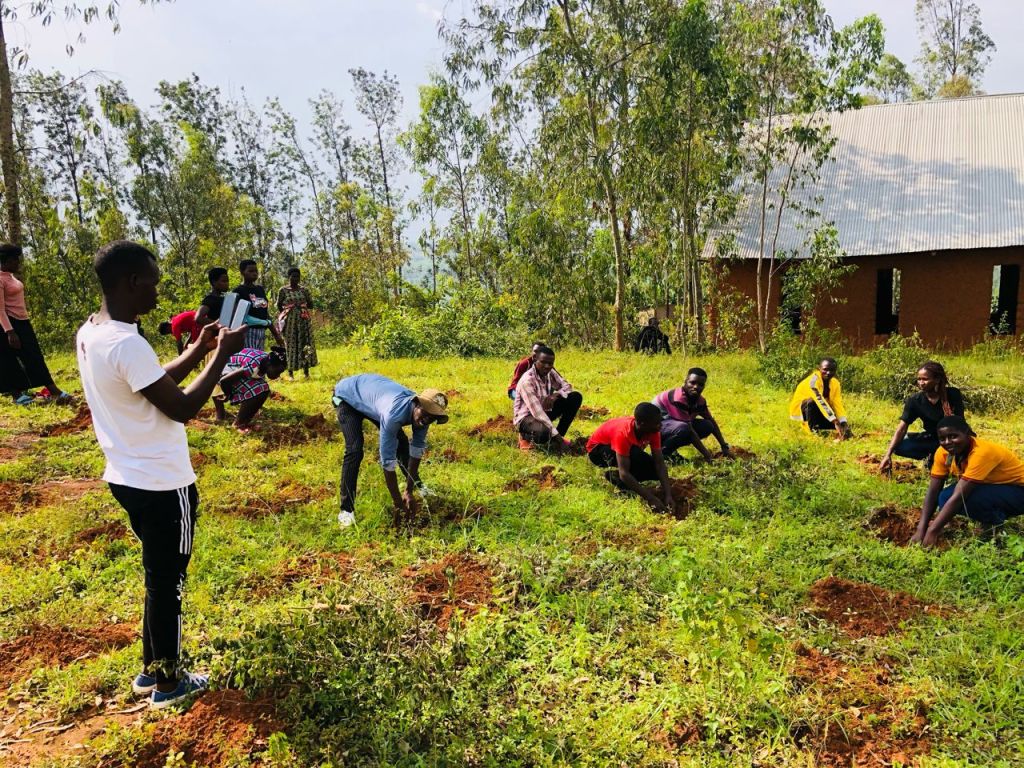
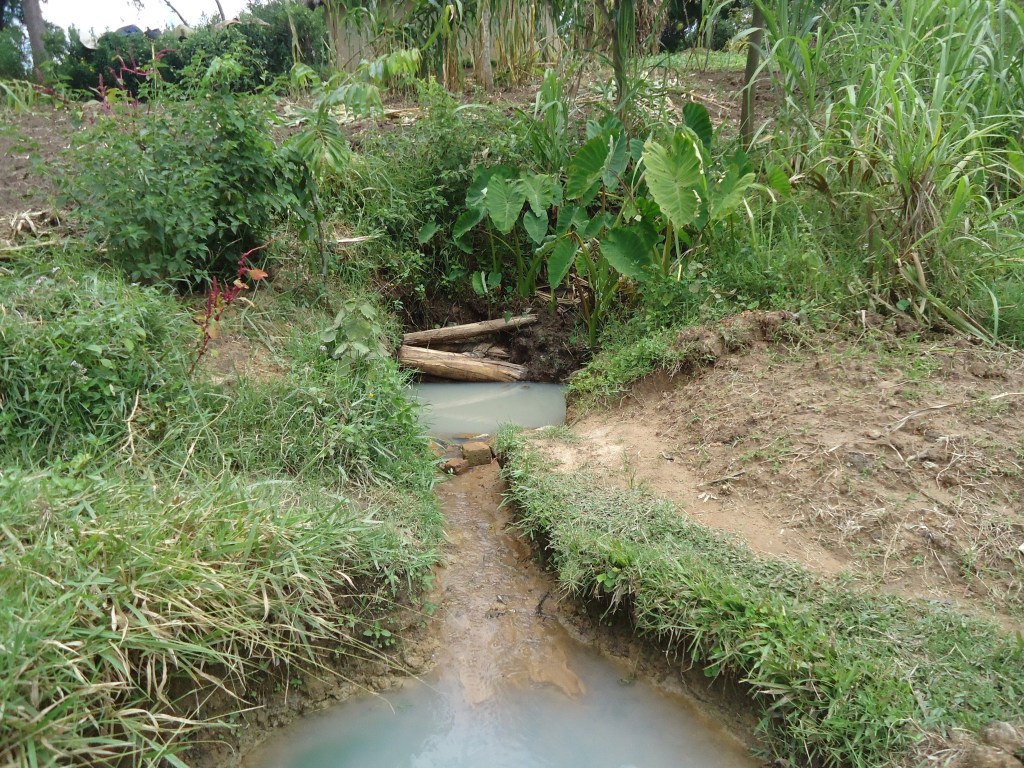
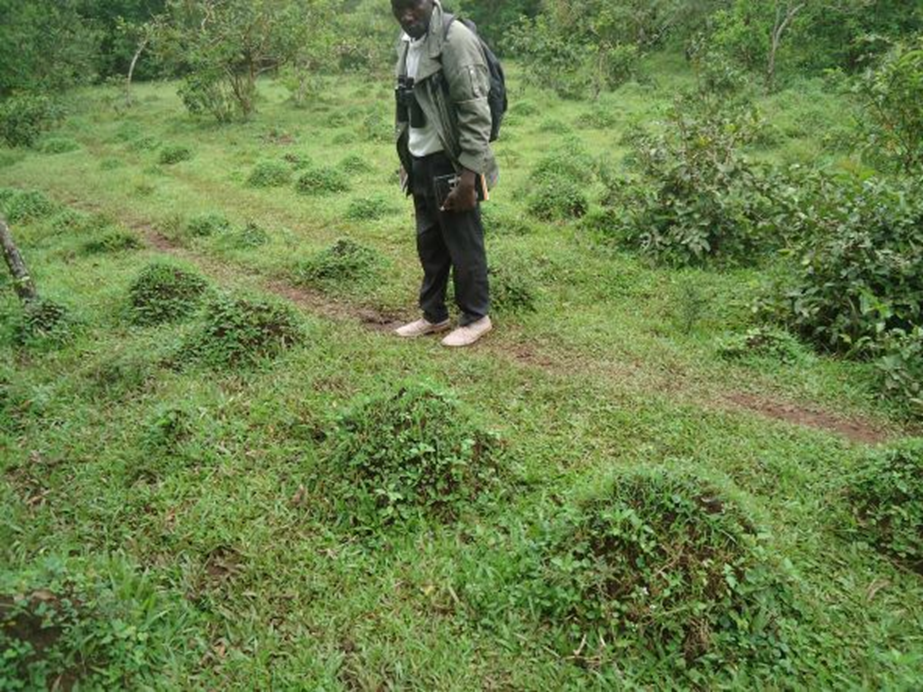
Quakers United for Environmental Sustainability Program (QUESP) is a new initiative formed by members from the Malava Yearly Meeting and led by Jairus Koki. Their mission is “To be true Stewards of God’s Creation through actions to combat climate change”. The formation of the program is inspired by concerns about the adverse effects of climate change affecting communities in Western Kenya, including changing rain patterns, failure of crops leading to increased food insecurity, and the destruction of water catchment areas.

Members of the group feel that they have a duty to combat the negative effects resulting from climate change by taking responsibility for the care of the world that God bestowed to us in Genesis as stewards. These effects have left Quaker churches, schools, and homes bare without trees and natural vegetation, even lacking shade to sit under when it is hot. Many indigenous trees that were known to provide shelter and conserve water catchment areas have either been uprooted or cut down for charcoal.

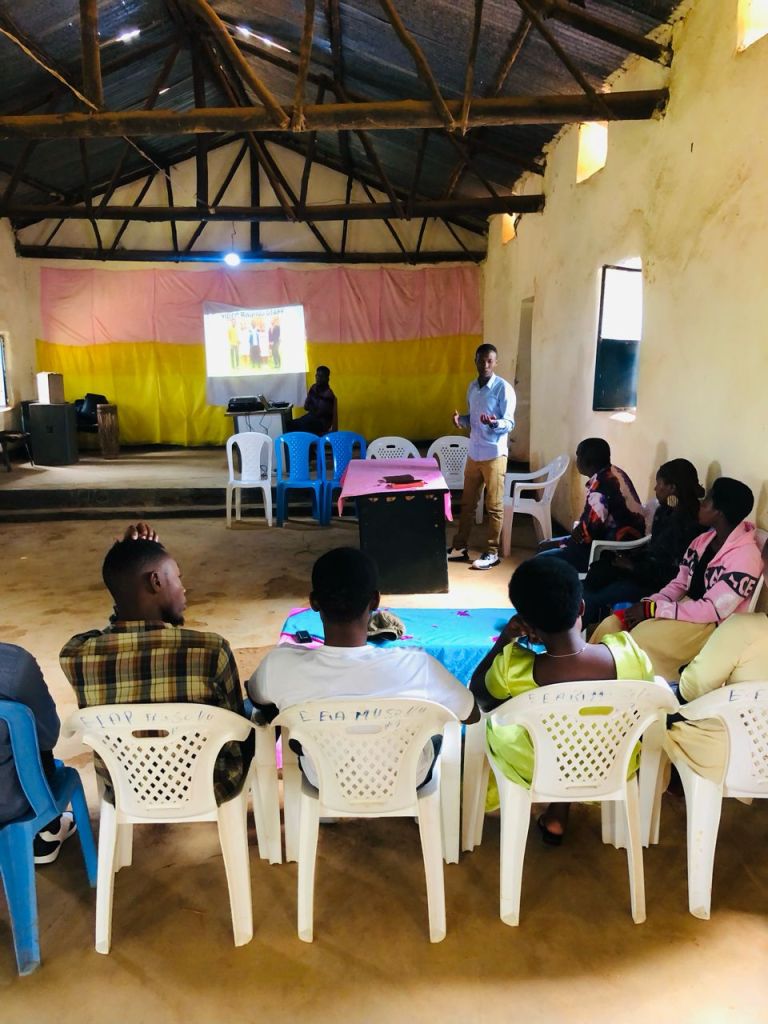
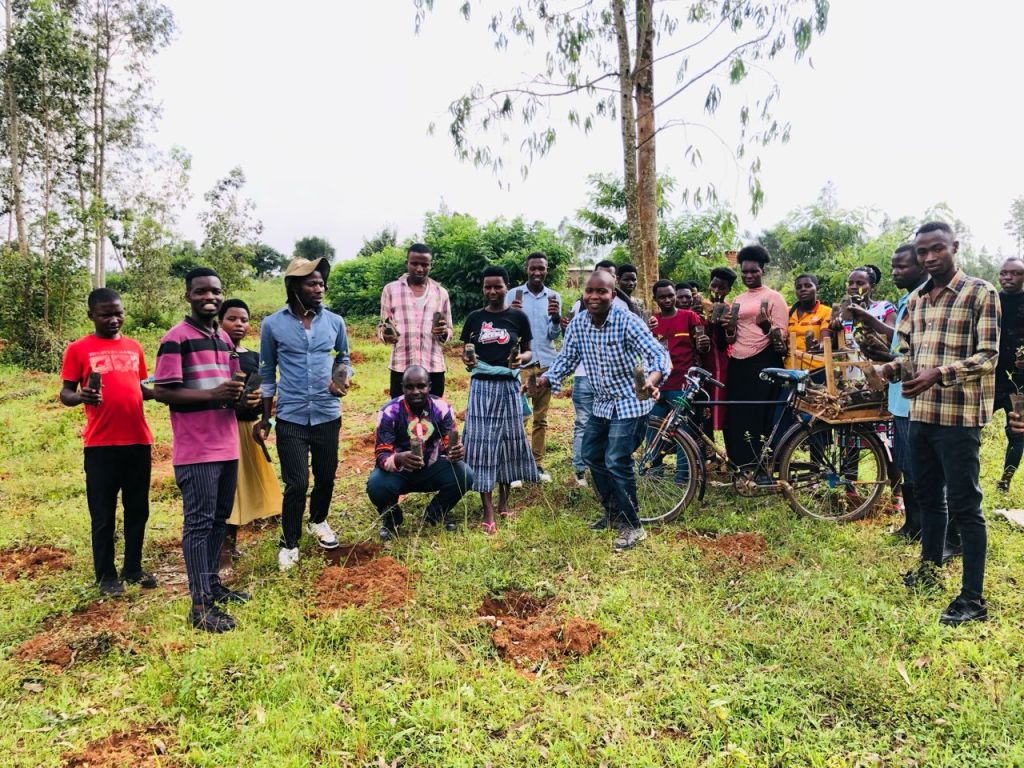
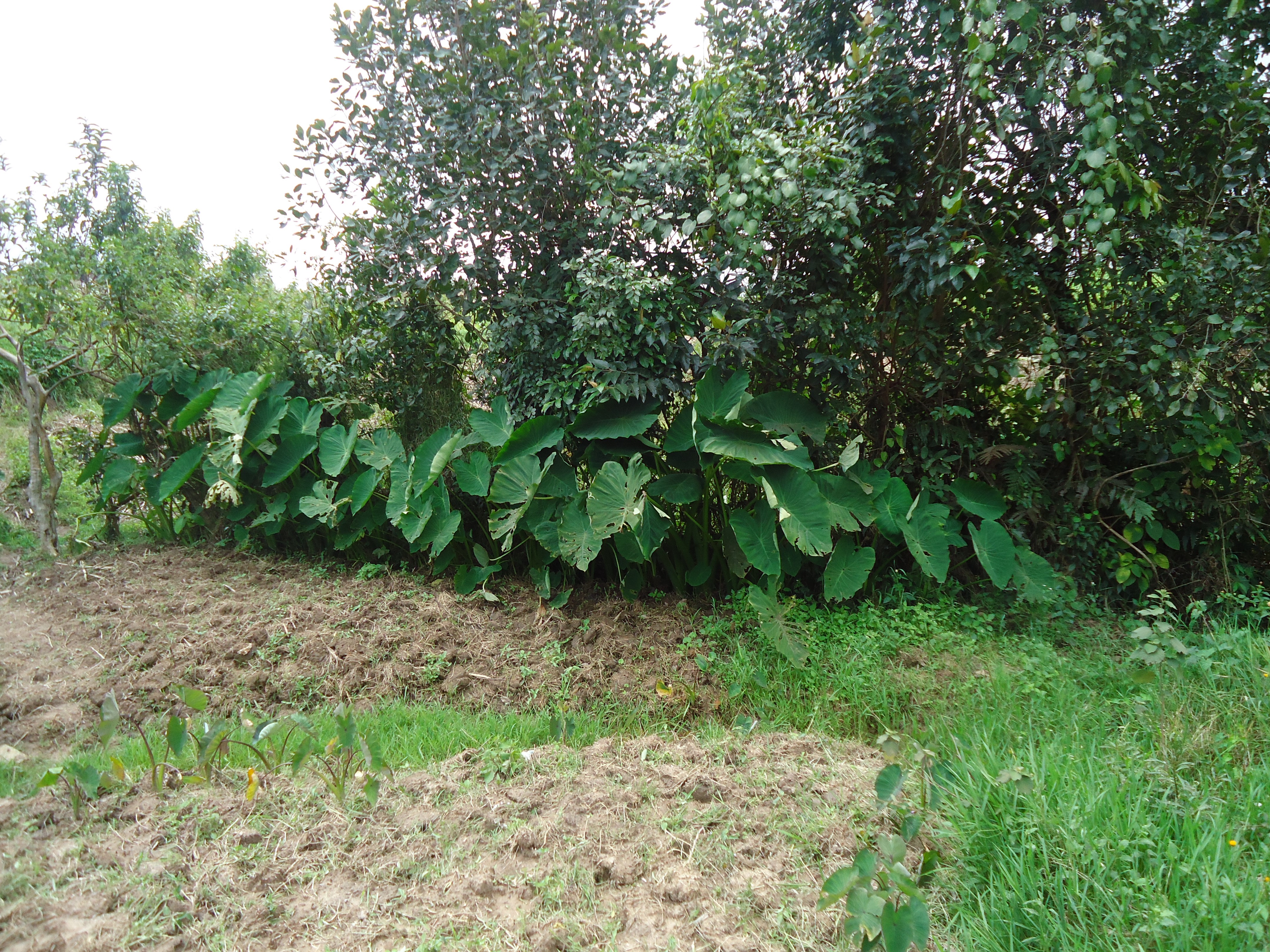
QUESP members feel obliged to be stewards of God’s creation and help restore it. Though still a new organization, they plan to realize this mission through several activities, including visiting churches (of Quakers and non-Quakers) to spread awareness on taking care of God’s creation; documenting indigenous methods of environmental conservation; undertaking tree nursery development and management training, and by supporting tree seedling plantings to restore destroyed habitats. QUESP is in the process of registration and hopes to achieve these dreams with the help of like minded friends. 

Photo credits: Jairus Koki, Coordinator, QUESP

Friends International Bilingual Center Food Security Project in Bolivia

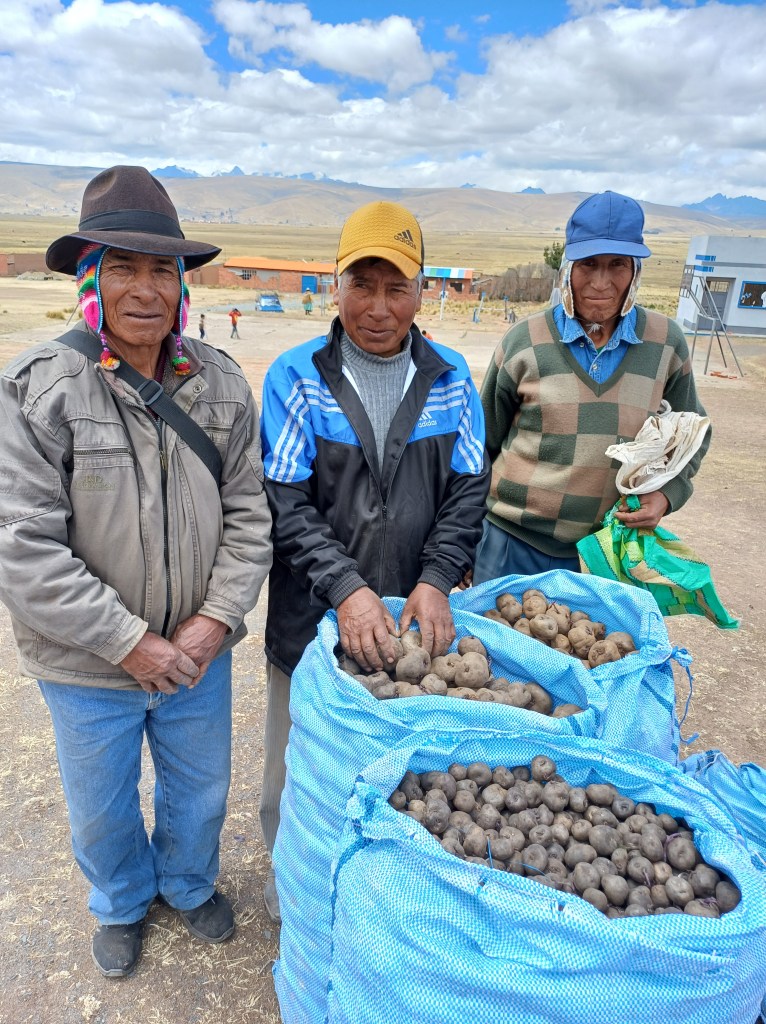
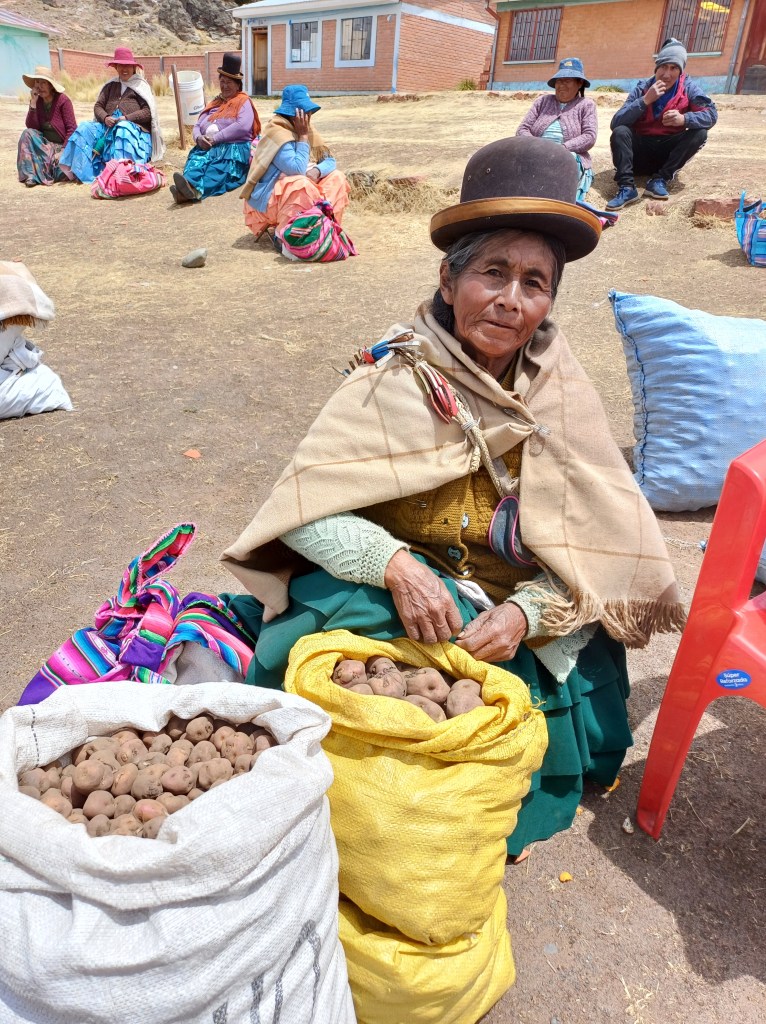
Bolivian young adult volunteers from the Friends International Bilingual Center (FIBC) have organized a Food Security Project to address the impact of climate change on indigenous families in the highland villages. In 2022, these communities faced hunger due to severe drought related to climate change. Many families who depend on the potato crop for food lost their main source of food and faced famine. Without intervention the crisis would have continued for multiple years because one year’s harvest provides seed for the next season’s crop.

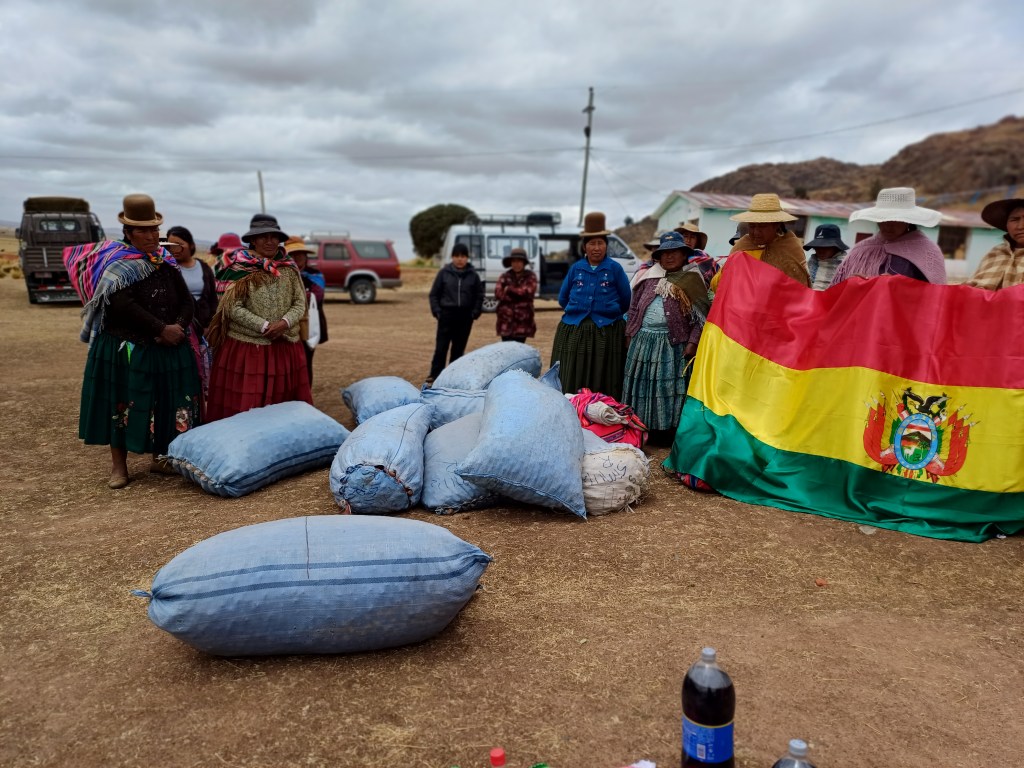
In the first half of 2023 FIBC distributed 100 pounds of potatoes to each family at a cost of $50 per family. Then in October, 2023 more than 300 families each received 125 pounds of seed potatoes at a cost of $50 per family. With favor of God, in 2024 the families who benefited from the Food Security Project had a good harvest to sustain their families. So, they thanked God, and also deeply appreciated the young volunteers and donors.

However, last year FIBC was not able to provide potatoes or seed potatoes to other families in these indigenous communities. In 2024 we have been distributing food staples to prevent famine. Also, we plan to raise $7,500 (USD) to distribute seed potatoes to these addition communities in time for the Bolivian planting season, October and November of 2024.

Please, help us by giving a donation:

Online donations may be given through the FIBC website: https://www.centrobilingueinternacionalamigos.org/en/donaciones

For sending a check, contact us via email: centrobilingueamigos7bo@gmail.com

Loss and Damage Action Day- 22 September

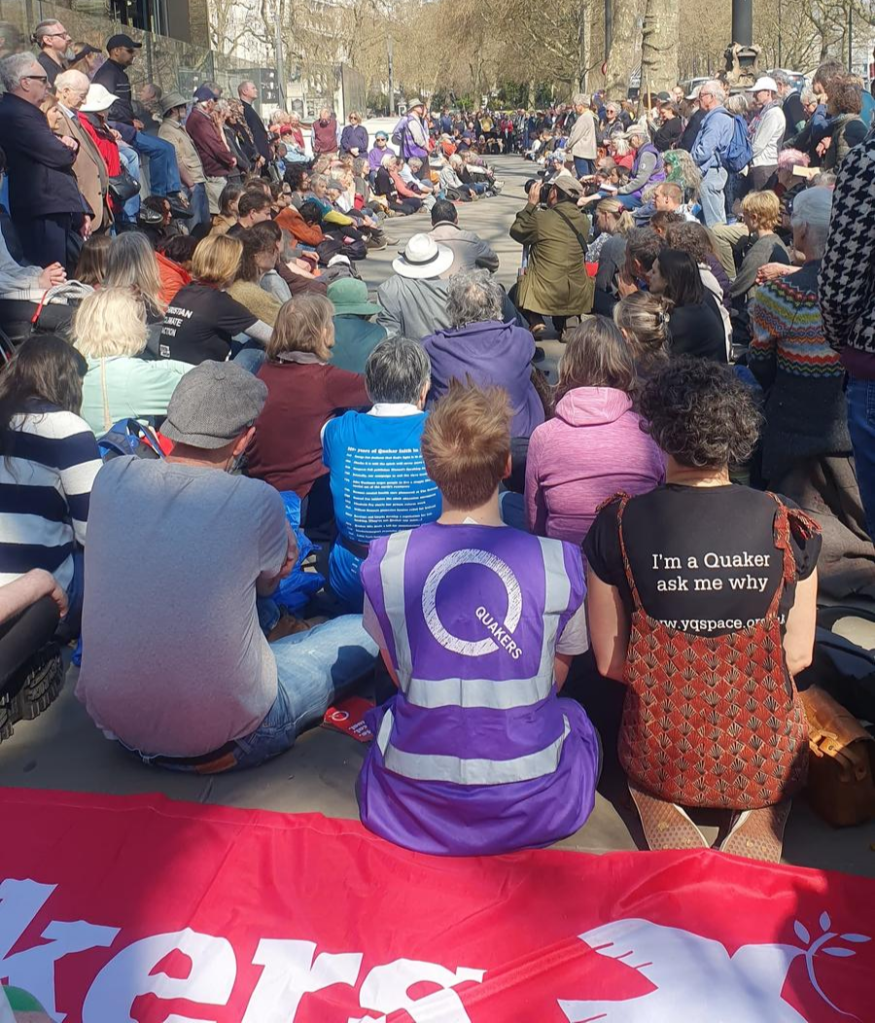
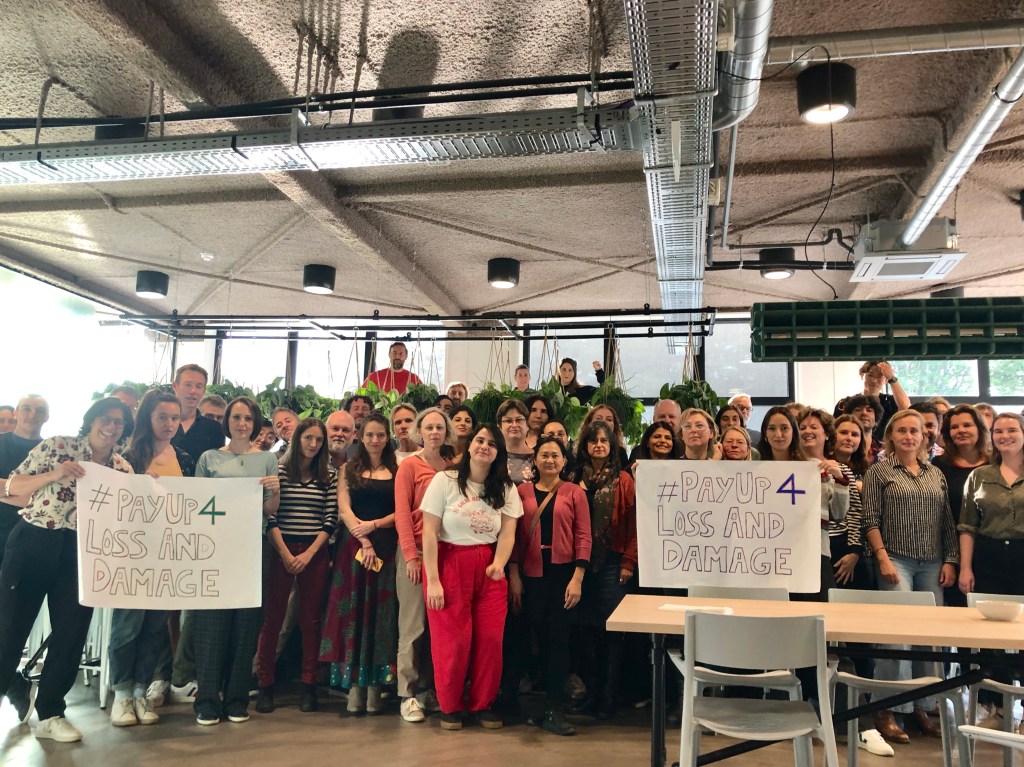
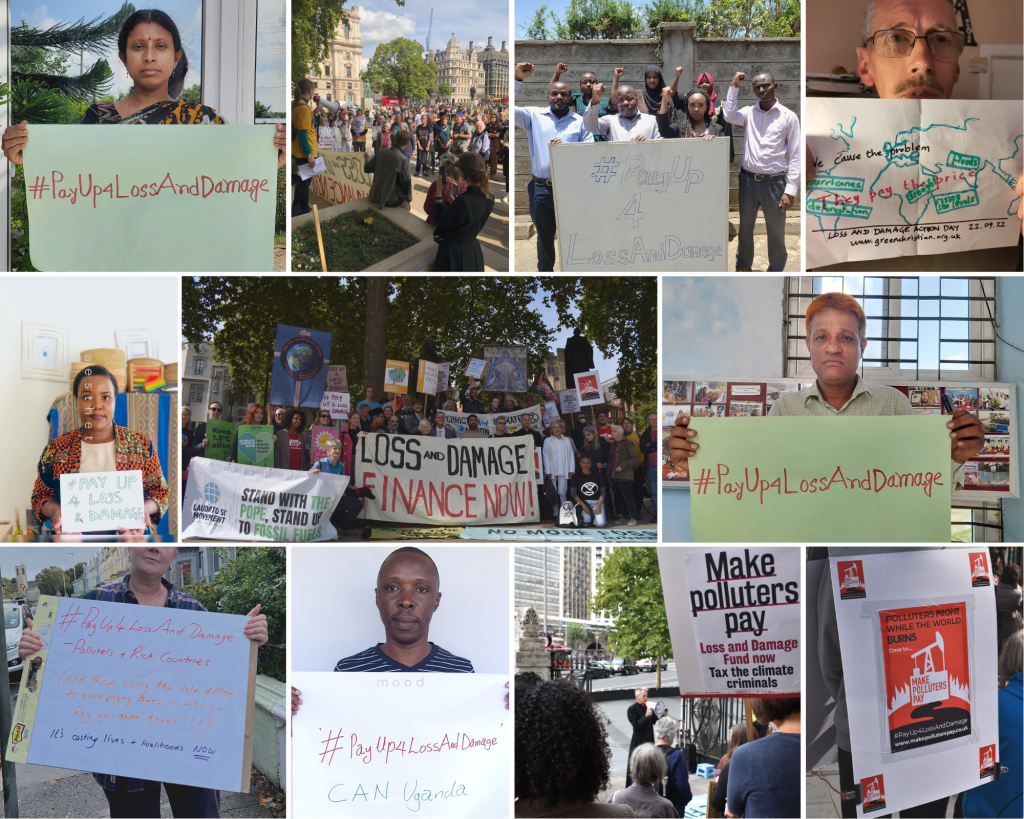
Quaker Peace and Social Witness has shared that on 22 September, individuals were invited to participate in Loss and Damage Action Day. Last week, people around the world stood in solidarity with those living under the worst conditions of the climate crisis and called for “polluters to pay up.” As rich countries and large emitters of greenhouse gas emissions continue to knowingly damage the planet and threaten the well being of the earth’s most vulnerable, Quakers continue to call for urgent, sustainable and transformative climate action.

Photo by Michael Preston

Loss and Damage refers specifically to the negative impacts of climate change that have already been experienced. It also refers to those losses that have yet to occur but inevitably will. Often the people most impacted are already the poorest and most vulnerable inhabitants of earth who have contributed the least to the climate crisis. On the 22nd, hundreds of Quakers and others came together across the United Kingdom, including as part of a walk of witness from St. John’s Church, Waterloo, to Parliament Square, in order to increase pressure on the largest polluters to be responsible for the consequences of their actions.  

Photo by Michael Preston

As the climate crisis continues to be increasingly felt around the world, it is more important than ever to put pressure on those most responsible. To stand in solidarity at any time of the year with those most impacted by climate change, here are a few simple actions you can take:

1. Write to your national representatives to tell them about how important it is to fund loss and damage.

2. Hold a short screening of “The Global Story of Climate Change, Loss and Damage- and Who Should Pay for It” to share with friends and family the importance of polluters paying

3. Share your own #PayUp4Loss&Damage post on social media

4. Engage with future climate change justice related events in your community

5. Familiarize yourself with the People’s Climate Empowerment Series and share it with your community

Photos by Michael Preston

Kwibuka Yearly Meeting Environmental Projects

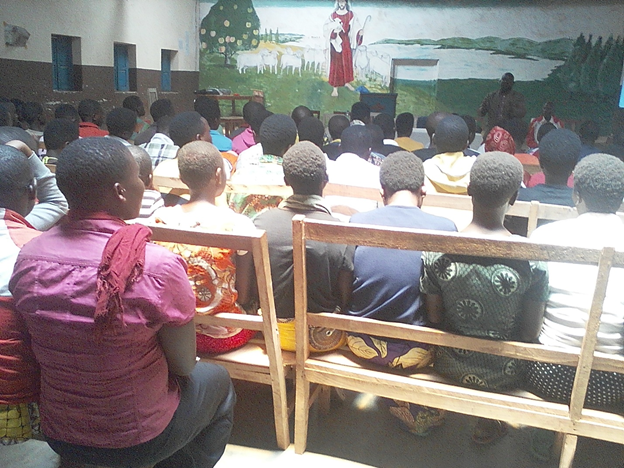
Members of Kibogoye Monthly Meeting during a workshop on environmental protection and job creation

Kwibuka Yearly Meeting in Burundi engages Friends and non-friends through a wide range of actions to encourage environmental protection and economic development. This happens through the “Christian Action in a World of Distress” Program. Some of the activities include teaching young vegetable farmers to make organic pesticides and fertilizer to prevent environmental degradation, how to transform non-biodegradable plastics into useful tools, and offer retreats to foster youth leadership in climate action. The group is also planning to open three new nurseries to help combat deforestation.

Participants of a workshop entitled “Managing the Risks of Climate Change”

Quaker Presence at Climate Change Interfaith Dialogue and Service prior to COP25

Carmen Alcalde, Lindsey Fielder Cook, and Detmer Yens Kremer
Lindsey Fielder Cook shares remarks

On December 1st, 2019, the Sunday before COP25 in Madrid started, several organizations, including Quaker United Nations office, organized a Interfaith Dialogue and Service. Lindsey Fielder Cook and Detmer Yens Kremer were present for QUNO, Carmen Alcalde represented the Madrid Meeting. During the day many thoughts regarding the responsibility of faith communities to act on climate action urgently and with a united voice. Lindsey Fielder Cook spoke on a panel regarding faith perspectives on climate change, and Detmer Yens Kremer shared a poem by Anohni and guided those gathered in silence during the service itself.

Detmer Yens Kremer co-facilitating a small discussion group focusing on systematic and individual change in the face of the climate crisis and the role of faith communities

World Quaker Day at Hill House Meeting, Ghana

October 6th is World Quaker Day, and many Friends and their respective meetings around the world gathered around the climate-conscious theme of “Sustainability: planting seeds of renewal for the world we love”.

Hill House Meeting in Ghana started by discussing a range of questions to engage with what sustainability is and how it connects to Quaker testimonies, from which in particular arose the importance of the future, of planning ahead and considering generations to come. This is expressed in a Ghanaian proverb that says ‘dea wodua na wobu’ – meaning you reap what you sow. So if you plant good seeds (good ideas) you will have good results (expression of love and care) for the future. Other items discussed ranged from good governance to land tenure and electricity production. Ultimately this translated in Hill House Meeting committing to more environmental practices as a community and as individuals.

Friends World Committee for Consultation, which has supported the meetings celebrating World Quaker Day has further information specifically about Hill House Meeting and how Quakers around the world joined in on celebrations with a focus on sustainability.