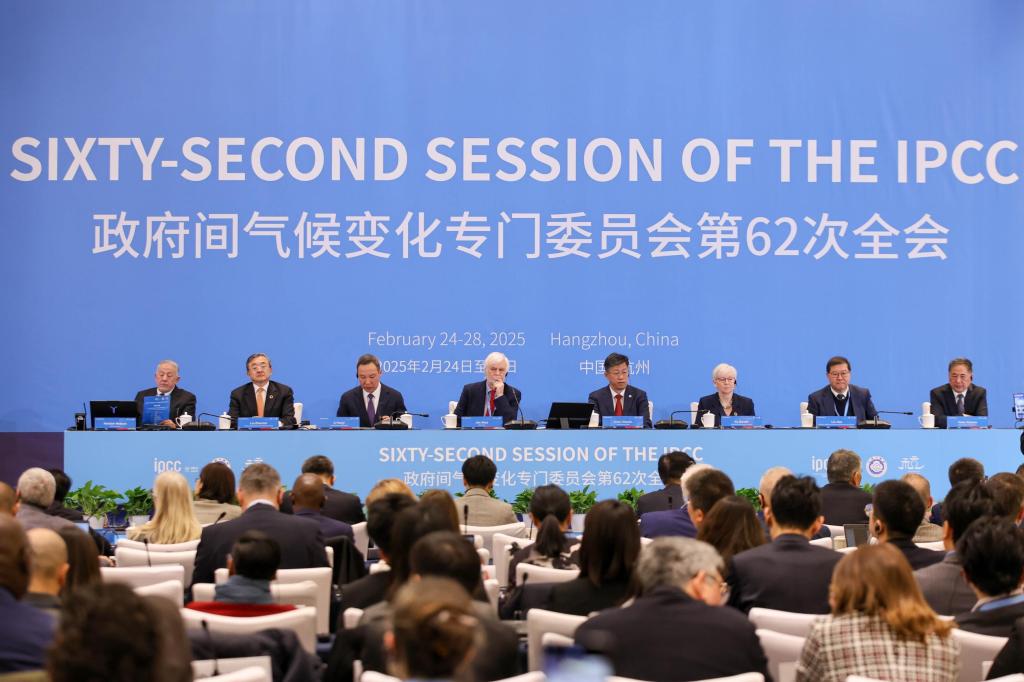
In Spring 2025, QUNO Representative for the Human Impacts of Climate Change participated in the 62nd Session of the Intergovernmental Panel on Climate Change (IPCC).
As an accredited observer of the IPCC through FWCC since 2017, QUNO seeks to uphold transparency and the integrity of the science, encourage clear messaging on urgent, transformative and rights-based climate action, and maintain a focus on risks to some climate technologies which fail to transform root causes and/or pose high risks to people and biodiversity. To date, QUNO is the only active independently accredited faith-based organization at the IPCC.
QUNO Geneva’s Human Impacts of Climate Change (HICC) team, was intensely active at the UN Climate Change meetings in Bonn. These Subsidiary Body convenings (SB62) were held by the UN Framework Convention on Climate Change (UNFCCC) from 16-26 June in preparation for the upcoming COP in Brazil.
This is the 13th year QUNO has offered quiet diplomacy dinners to a group of high level negotiators from a diverse group of countries. In addition to this effort, QUNO was engaged in negotiations, in two preparatory Constituted Bodies, in several inter-faith efforts, in two press conferences, an off-the-record meeting with climate scientists, in human rights advocacy, in Paris Agreement celebrations, and in the distribution of QUNO publications on climate science findings. To learn more, read the full recap of our work on the QUNO website.
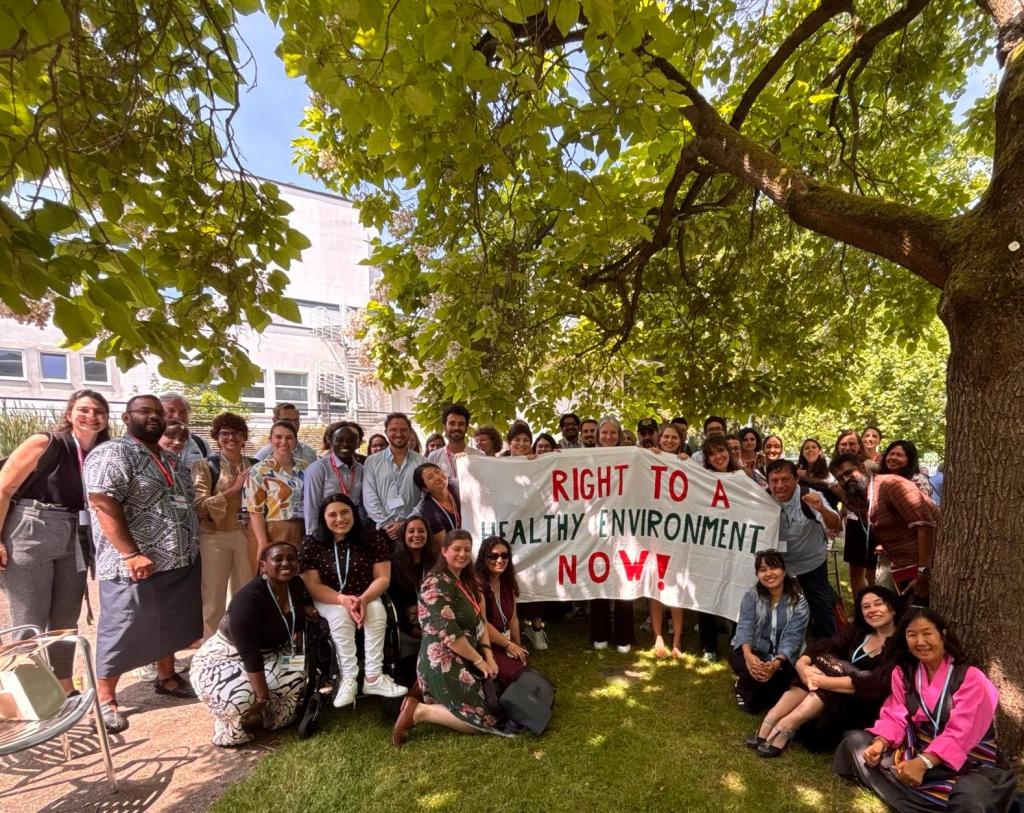
[Members of the Human Rights and Climate Change Working Group at the 2025 UN Climate Change Conference in Bonn, Germany. ]
The Interfaith Liaison Committee to UNFCCC (ILC) is a network of faith-based organisations active on climate justice. For more than a decade, ILC has brought together faith-based actors at UNFCCC COPs to act together for climate action.
Over the years, calls and statements have been crafted in an inclusive way to call upon the global community to act and take moral responsibility to avoid the most dangerous consequences related to climate change and to protect the most vulnerable from climate-induced catastrophes.
This year, ILC created a call to COP 30 well ahead of the meeting in Brazil. In an inclusive process, ILC invited faith-based actors to contribute to the content of the call in webinars.
This call is now open for endorsements and a tool for advocacy work.
If your organisation wants to endorse it, please do so by signing on here. Everyone is encouraged to use it as a tool to inform decision makers and influential institutions of the global situation we are facing today and the moral obligation to act.
Please read the full Call to Action in English here.
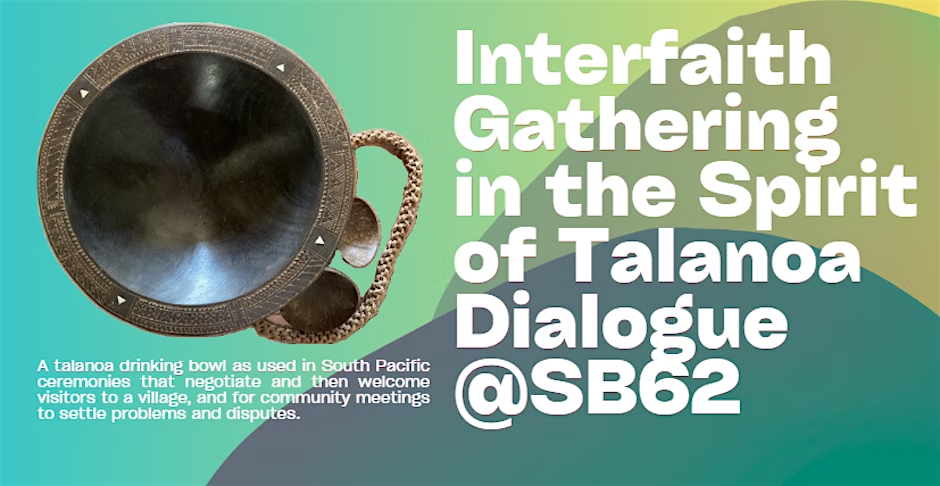
The Interfaith Liaison Committee to the UNFCCC is holding an interfaith gathering in the spirit of Talanoa Dialogue at the SB62 climate negotiations this June. The event will provide a safe, respectful, trusting and supportive space to reflect as people of faith, communities, and institutions on questions concerning the climate crisis in the context of challenges to multilateralism and peace.
Please join us online or in person on Monday, June 16 at Katholisches Pfarramt St. Winfried Bonn-Südstadt (Catholic Parish Office of St Winfried) Sträßchensweg 3, 53113 in Bonn, Germany.
Schedule
5:00 Arrival & Sign-in
5:30 Introduction and Panel (themes: Global Ethical Stocktake, Nationally Determined Contributions—NDCs; Human Rights & Climate Justice, Finance)
6:15 Dialogues (in small groups, by theme of interest
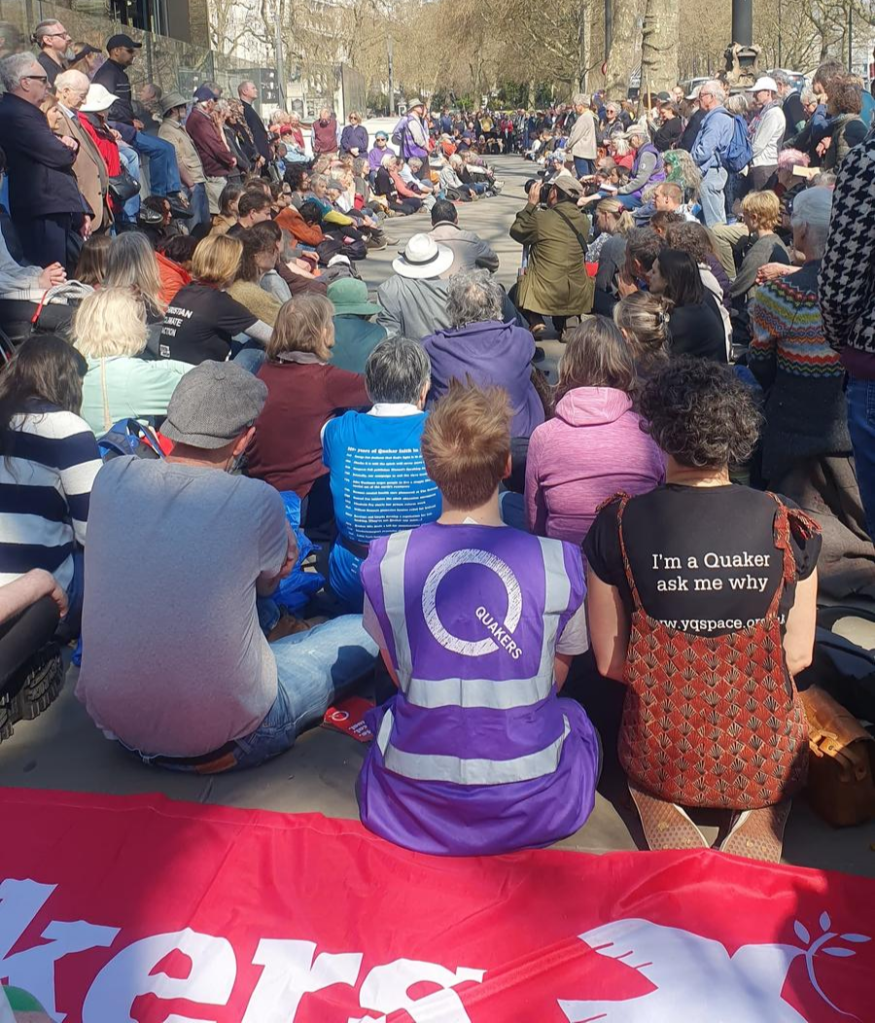
QUNO’s Human Impacts of Climate Change Programme recently compiled an official submission to the United Nations Special Rapporteur on Human Rights Defenders profiling stories of Quaker Environmental Human Rights Defenders. Gathering testimony from Quaker individuals and organizations in Europe and Africa, the submission upholds actions of conscience that Quakers have engaged in as guided by their faith and commitment to the values of stewardship, sustainability, and integrity.
The submission provides a unique and specific focus on the efforts of Quakers because a significant number of high-profile climate change protest action originated in the Quaker community. The report gathers inspiration from their successes while also sharing the risks and retaliation they have experienced as a result of expressing concern over insufficient government action to transform human activities driving planetary crises. The submission will inform that work of U.N. Special Rapporteur on Human Rights Defenders, Mary Lawlor, as she prepares her October 2025 report to the U.N. General Assembly on human rights defenders working on climate change and a just transition. QUNO is grateful to those individuals and groups who shared their personal histories. Such courageous and conscientious acts will further climate justice and calls attention to the rights these defenders are working to protect. In addition to personal stories from Quakers around the world, the submission also offers recommendations for how states and U.N. bodies should advance in protecting environmental human rights defenders.
Please read or download the full text of the statement below:
QUNO recently provided three distinct submissions responding to a call for input by UN Special Rapporteur on Human Rights and Climate Change and Professor of Global Environmental Law, Elisa Morgera, on the topic of the fossil fuel based economy and human rights. QUNO’s Sustainable and Just Economic Systems (SJES) and Human Impacts of Climate Change (HICC) programmes both provided submissions while additionally supporting 23 other organizations in a joint submission addressing loss and damage and human rights.
All three submissions are available to read and download on the QUNO website. They will inform the Special Rapporteur’s upcoming report on the fossil fuels-based economy and climate change, set to be released at the 59th Session of the Human Rights Council in June 2025.
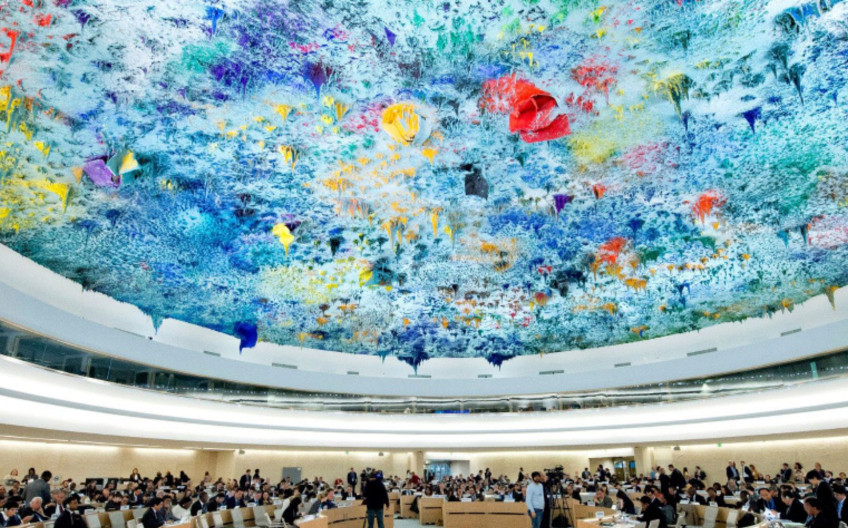
QUNO’s Human Impacts of Climate Change Program (HICC) participated in the 58th Session of the Human Rights Council, delivering two statements addressing climate justice and human rights. Both statements were given on behalf of the Friends World Committee for Consultation (FWCC) and in collaboration with Soka Gakkai International (SGI).
Both statements provided an opportunity for HICC to support the important work of these UN experts in linking human rights with pressing climate and environmental concerns closely connected to QUNO’s values of equality, peace, and sustainability. We are grateful to Soka Gakkai International for their support, collaboration and joint endorsement.
Please find more information on the Human Rights Council reports and FWCC/SGI full written statements here.
Image courtesy of ‘Friends Journal’ and FWCC: “Food distribution in Gatumba, Burundi, supported by FWCC’s Climate Emergency Fund, following floods, 2024.“
‘Friends Journal’, a prominent Quaker media publication, recently profiled actions Quaker meetings and communities are taking around the world to address and respond to climate change.
Staff writer Sharlee DiMenichi highlights efforts taken at the local and international levels by Quakers including in Kenya, Bolivia, the Philippines, and at the Intergovernmental Panel on Climate Change. The article demonstrates Friends’ widespread concern for climate as a peace and justice issue while documenting specific examples of the personalized impacts of a warming planet. It delves into the ongoing work of various Quaker organizations including climate related efforts by Friends World Committee for Consultation (FWCC), Friends International Bilingual Center (FIBC), Quaker Earthcare Witness, Earth Quaker Action Team, and Quaker United Nations Office. Portraying the depth and breadth of these actions, it is clear that Friends are witnessing and responding to a wide range of public health, economic, and weather related effects of climate change. Their work is clearly critical in implementing sustainable practices to address climate change’s root causes.
Grounding Quaker action in foundational testimonies of peace, equality, and sustainability is a commitment shared across the world and Friends Journal has written about these efforts in an inspiring and galvanizing piece.
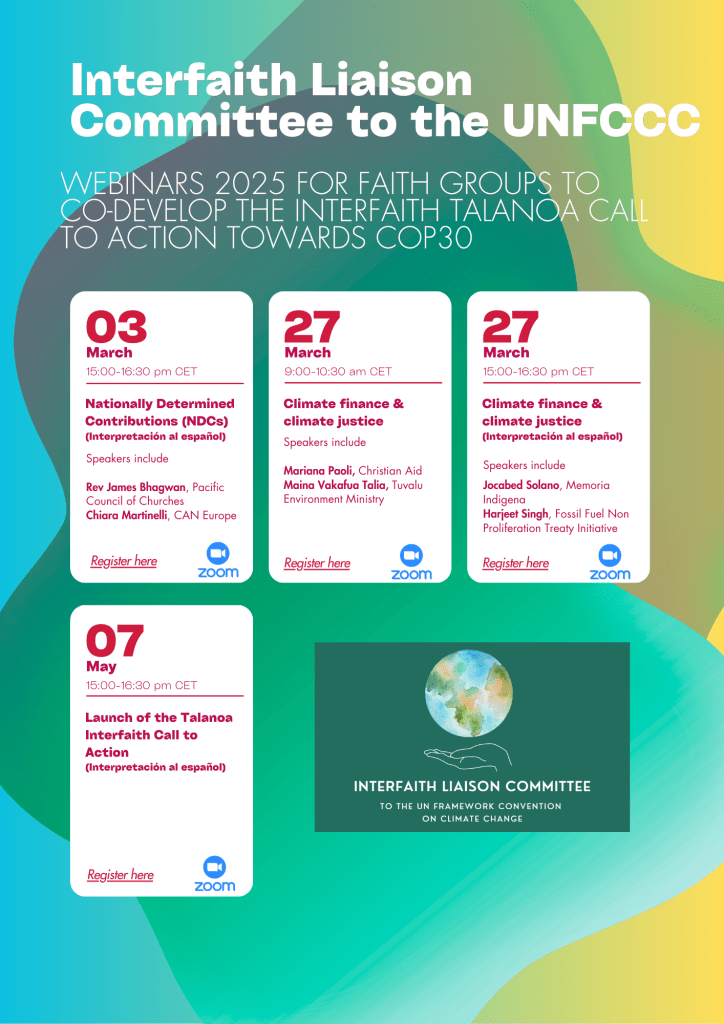
The Interfaith Liaison Committee, is organizing a webinar series in spring 2025 and invites all interested individuals and interfaith organizations to attend and co-develop the Interfaith Talanoa Call to Action towards COP30.
Don’t hesitate to join this opportunity to make your voice heard, and to share this invitation with others.
Please find the invitation for the ILC series of webinars towards COP30 here.
Individual registration links for each webinar in the series are available as well below:
Johan Cavert, Programme Assistant for the Human Impacts of Climate Change at the Quaker United Nations Office, reflects on his experience of United Nations climate change talks. (This piece is reposted from Britain Yearly Meeting. The original can be found here.)
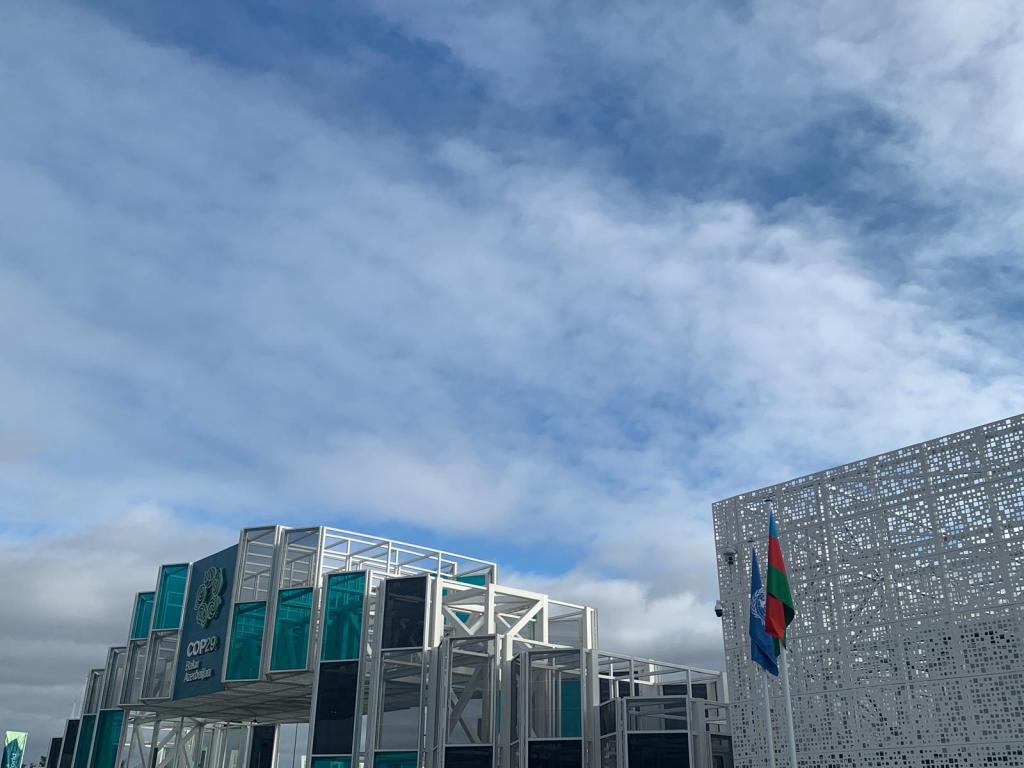
Arriving at the UN climate change talks (COP29) in Azerbaijan, a clarion of trumpets and beating drums echoed from large speakers, heralding the entrance to the conference complex. Listening each morning reminded me of the insistent and repeated demands from civil society and observers calling for just and equitable climate finance.
At the same time, I was struck by the large temporary tent city constructed for the over 60,000 attendees who traversed the conference halls. Surrounded on all sides by artificial construction, it was hard not to notice the ways in which – literally and figuratively – negotiations in Baku resembled a circus. Pageantry is at times necessary and the symbolism of the United Nations Conference of the Parties (COP) cannot be denied. Nonetheless, bread and circuses will no longer be sufficient for those seeking justice.
A concerning COP
A clear call to increase financing for the most vulnerable was sounded repeatedly at COP29. It frequently went unheeded. Throughout two weeks of heated negotiations, states remained at loggerheads over the primary issue being discussed – how much money to commit for the New Collective Quantified Goal for climate finance (NCQG).
Developing countries demanded over US$1.3 trillion in grants be paid each year by developed countries. For their part, developed countries avoided committing to any numbers until the eleventh hour, and only then proposed a figure and language that was highly disappointing. Well more than 24 hours overtime, states adopted a text that failed to advance significant action addressing the climate crisis.
In addition to this being my first time attending COP, it was also my first experience observing international negotiations. I left Baku inspired by the global solidarity and commitment displayed by a wide array of individuals and organisations. At the same time, I came away discouraged by the apparent lack of urgency in the multilateral process.
I was not the only participant whose faith in global governance came away bruised. Many speakers underlined that this was the 29th iteration of annual negotiations and yet increases of carbon emissions continue. Amidst proceedings, a group of distinguished global leaders released an open letter which called into question the hosting process, given the past two COPs have been led by economies highly dependent on fossil fuels. Azerbaijan’s COP Presidency was already a focus of concern before the conference began, due to a report showing how the Presidency saw the event as an opportunity to sign oil and gas deals. Modernist skyscrapers along Baku’s coast tower over the oil fields of the Caspian sea, displaying the connection between the country’s economic wealth and its longstanding reliance on fossil fuels. President Ilham Aliyev said the quiet part out loud when he stated that Azerbaijan’s fossil fuel resources are “a gift from God”.
Inspiring action within a flawed system
Azerbaijan was also criticised for its rights record and unjust detention of government critics and environmental human rights defenders. I was grateful to participate in the human rights and climate change working group which worked to publicise demands for a more open and inclusive space for civil society. Actions at the conference were restricted to pre-assigned spaces and detailed requirements were imposed on messaging and speech.
Having been refused the chance to sing or chant during one action, participants instead hummed together in a creative act of melodic resistance. The limited number of delegate slots available and the difficulty in travelling to Baku highlighted the impact of those in attendance. At the same time, it was inspiring to realise that those on the ground were just the tip of the iceberg of a global movement.
In the midst of insufficient political will, we must continue to work for meaningful progress from international negotiations while remaining clear that national action and advocacy are essential to international success. The circus atmosphere that at times pervaded Baku only underlines the importance of speaking honestly about the role power and influence play in perpetuating systems of injustice.
A Quaker presence at COP is an important witness that care for creation involves living sustainably and in just relationship with the earth. The call for climate justice and equitable financing has been broadcast clearly. It must be echoed and acted on.


 QUAKERS & CLIMATE CHANGE WORLDWIDE