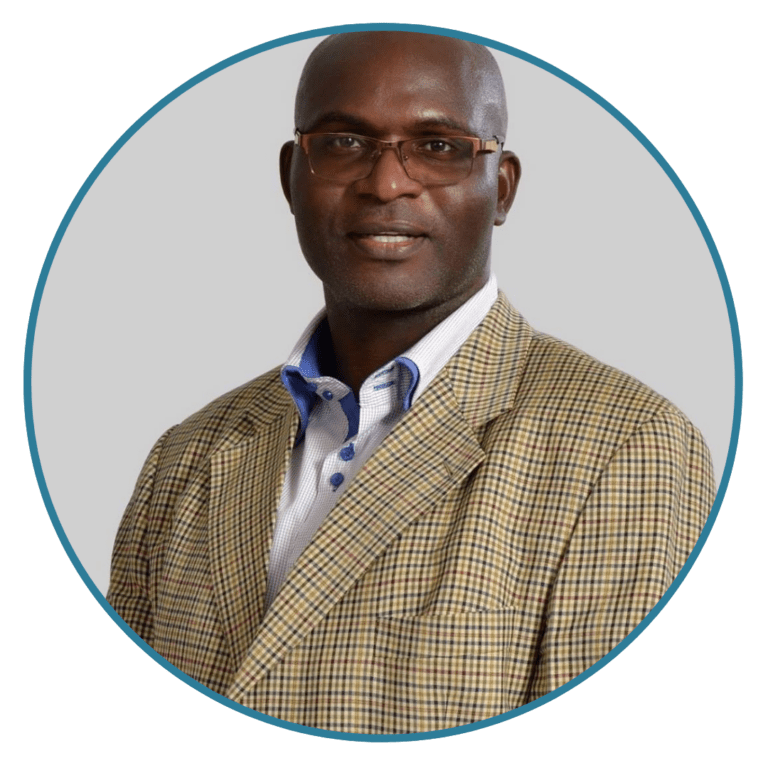
Eva Koch Scholar, Hezron Masitsa, researches Traditional African Food Preservation Methods

Hezron Masitsa, the Justice and Peace Secretary for Friends World Committee for Consultation (FWCC) recently shared his research and reflections on traditional food preservation as part of the 2025 Eva Koch Scholar Presentations.

Selected by Woodbrooke, an international Quaker learning center, to be an Eva Koch Scholar in the 2025 calendar year, Hezron’s research provides insight and investigation into traditional indigenous practices that have received little past examination and show the wisdom of native practices in East Africa. His complete research paper can be read below and provides an overview of his outreach and interviews with elders to learn about traditional food preservation methods used to improve infant mortality and bolster adult health and longevity. Food shortages in Africa due to environmental crises have had devastating impacts on community health and these traditional practices are important to consider as climate change exacerbates the impact and frequency of drought and famine. In his Eva Kock Scholar Presentation (available to watch here), Hezron describes how learning about traditional indigenous food preservation practices uphold Quaker values of sustainability and stewardship. His words and research inspire us to further embrace longstanding wisdom into how best to safely and healthily live in harmony with creation.
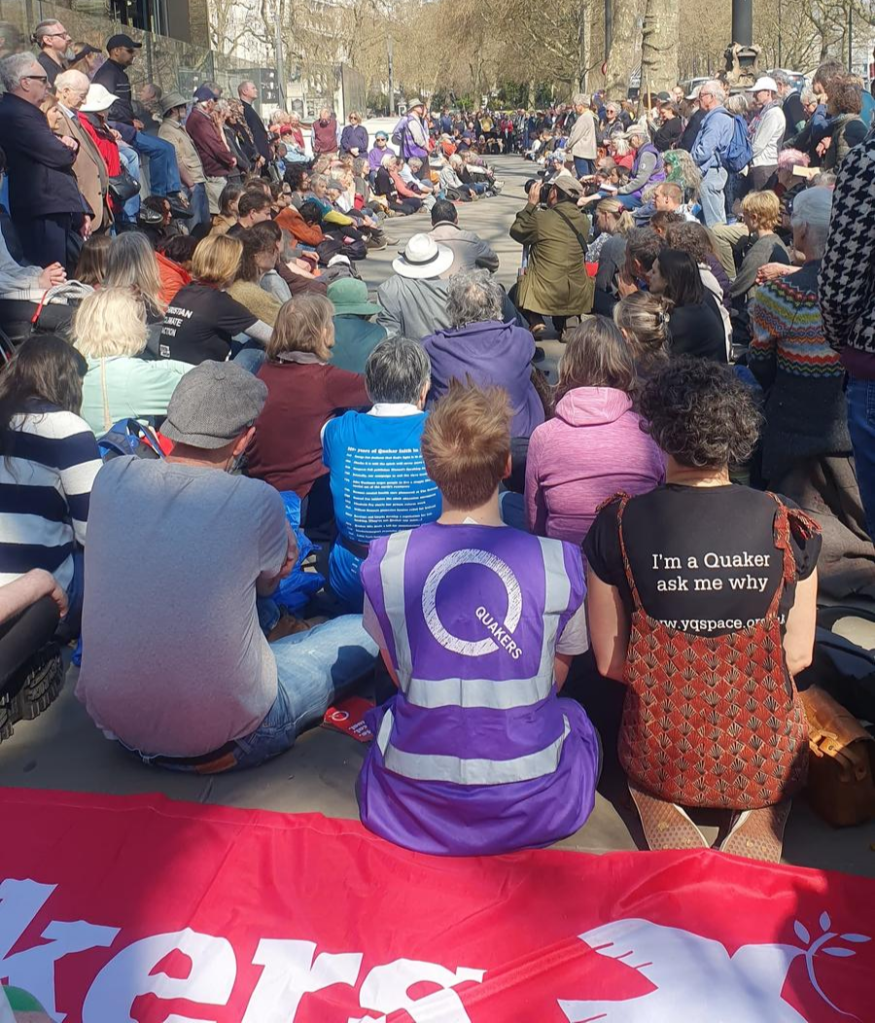
QUNO climate briefing paper adapted for academic journal

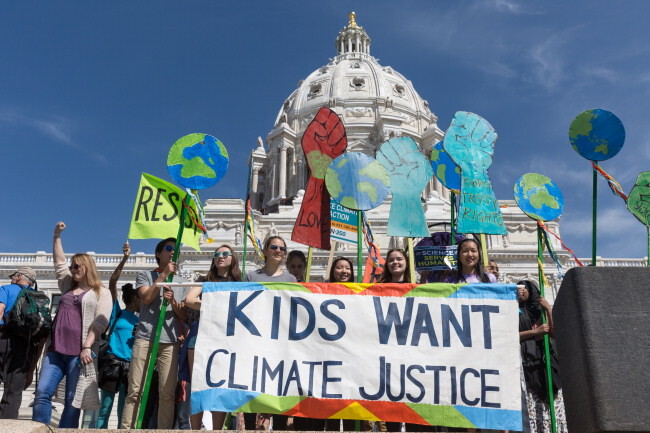
Image courtesy of Environment Magazine: Wikimedia Commons / Lorie Shaull

QUNO shares news that a briefing paper developed and released last year with input from the Human Impacts of Climate Change (HICC) program was adapted and published in the academic journal, Environment: Science and Policy for Sustainable Development. The article is available and accessible online here, presenting QUNO research and findings in a condensed format for a large audience of scientific and policy experts.


The paper, “Carbon Dioxide Removal: What Is Sustainable and Just?” was written by Dr. Duncan McLaren and Dr. Olaf Corry and published under the same title in 2024 on the QUNO website. Originally envisioned, commissioned, and edited by QUNO, it evaluates the ethical, environmental, political, and justice dimensions of large-scale implementation of carbon dioxide removal (CDR) technologies.

Environment: Science and Policy for Sustainable Development publishes bimonthly editions for a wide readership on topics related to environmental science and policy. During the adaptation process, editorial review and expertise were shared by Steven Kolmes and Tim O’Riordan, editors at the journal. With a readership represented by over 100,000 annual downloads, Environment magazine is a prestigious home for environmental research and QUNO celebrates the authors and the ongoing impact of their work.

Our Right to a Healthy Environment

QUNO has released a new resource guide on the Human Right to a Clean, Healthy, and Sustainable Environment (R2He) to celebrate the recently recognized right. This easy-to-read guide answers 8 questions to help empower each of us as individuals and members of our communities to advocate for our rights, participate in decision making, and hold our governments to their agreed responsibilities. 

Over 85% of UN Member States recognize a right to a healthy environment in either constitutions, legislation, or regional treaties. Recognition of this human right means states have the obligation to uphold and protect this as enumerated. If and when they do not, we can work for its proper implementation.

Our guide details the history, importance, and context of this recently recognised right and outlines steps we can follow to take action. The guide can be found on our website here: https://quno.org/resource/2024/12/our-right-healthy-environment

QUNO briefing paper on Carbon Dioxide Removal

QUNO’s Human Impacts of Climate Change programme has published a new briefing paper titled “Carbon Dioxide Removal (CDR): What is Sustainable and Just?”. Written by Dr. Duncan McLaren (UCLA, USA) and Dr. Olaf Corry (University of Leeds, UK), two academic experts on environmental law, international politics and geoengineering, this briefing paper is a key resource for understanding the risks of reliance on CDR.

The paper provides an overview of carbon dioxide removal practices and risks, and evaluates if there are just and sustainable levels for the use of these methods and technologies. Discussing geo-political, ethical and equity consequences to the mitigation choice of CDR, it highlights uncertainties surrounding the prospects of implementing large-scale CDR and the role it could play in threatening biodiversity and human rights. Exploring false narratives and misleading climate modelling portraying large-scale CDR reliance as a ‘techno-fix’, the authors ask what is ‘sustainable and just’, what is unsafe, and highlight approaches which can equitably and effectively transform root causes while avoiding reliance on unsustainable and unjust techno-fixes.

This is a critical issue, one increasing in importance as the costs and assumptions associated with CDR are reflected in climate models and governments lay out long term plans that increasingly rely on CDR approaches as opposed to reduction of root causes. This paper fills a crucial information gap by examining the feasibility, effectiveness, safety, sustainability, legality and ethics of CDR implementation.

This report was supported with grant funding from the European Climate Foundation. The publication and any conclusions contained within are those of the authors and do not necessarily reflect the positions or policies of the European Climate Foundation.

Please find a link to the full briefing paper on QUNO’s website here: Carbon Dioxide Removal (CDR): What is Sustainable and Just? A PDF version of the report is also available below.


Friends International Bilingual Center Food Security Project in Bolivia

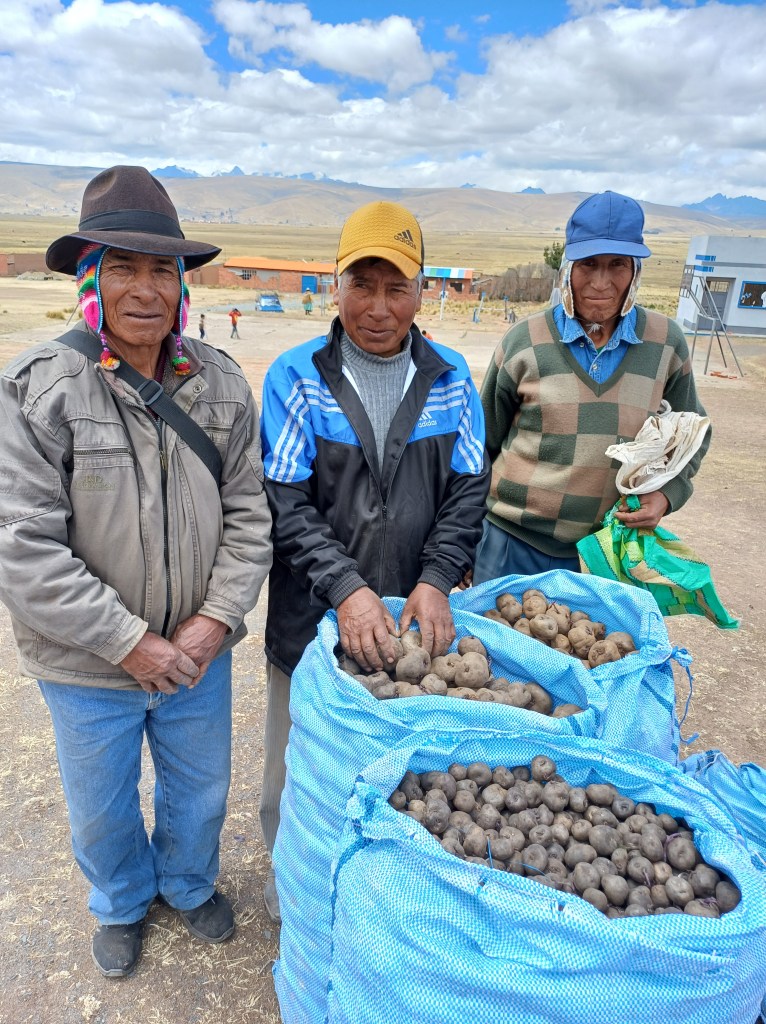
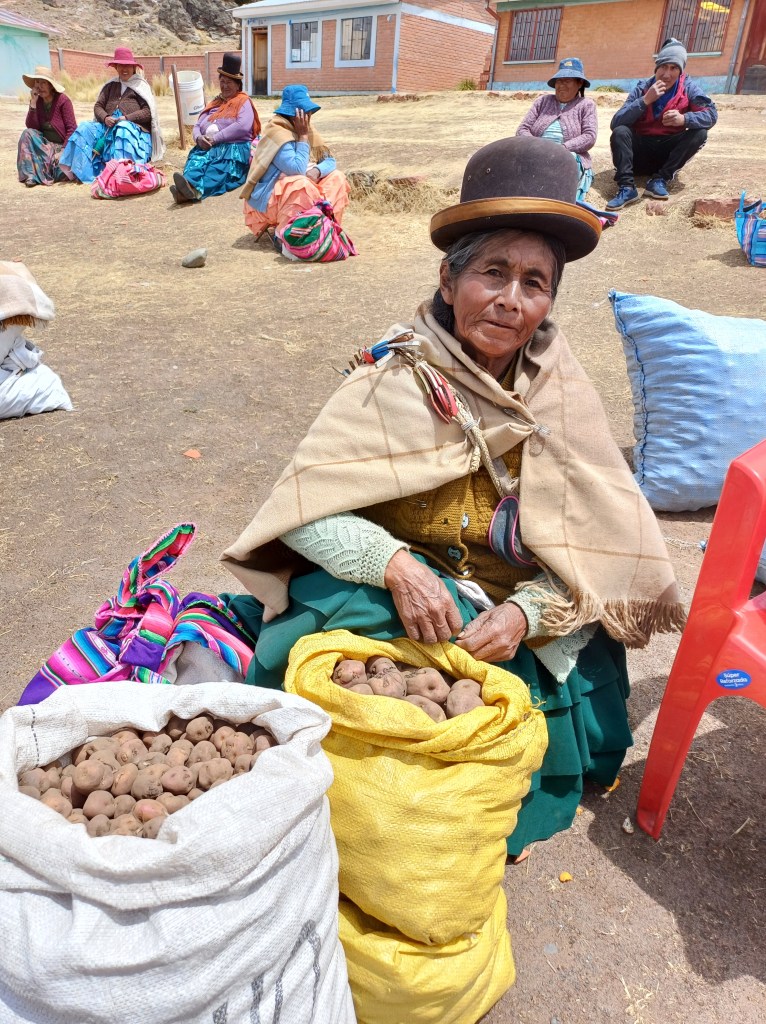
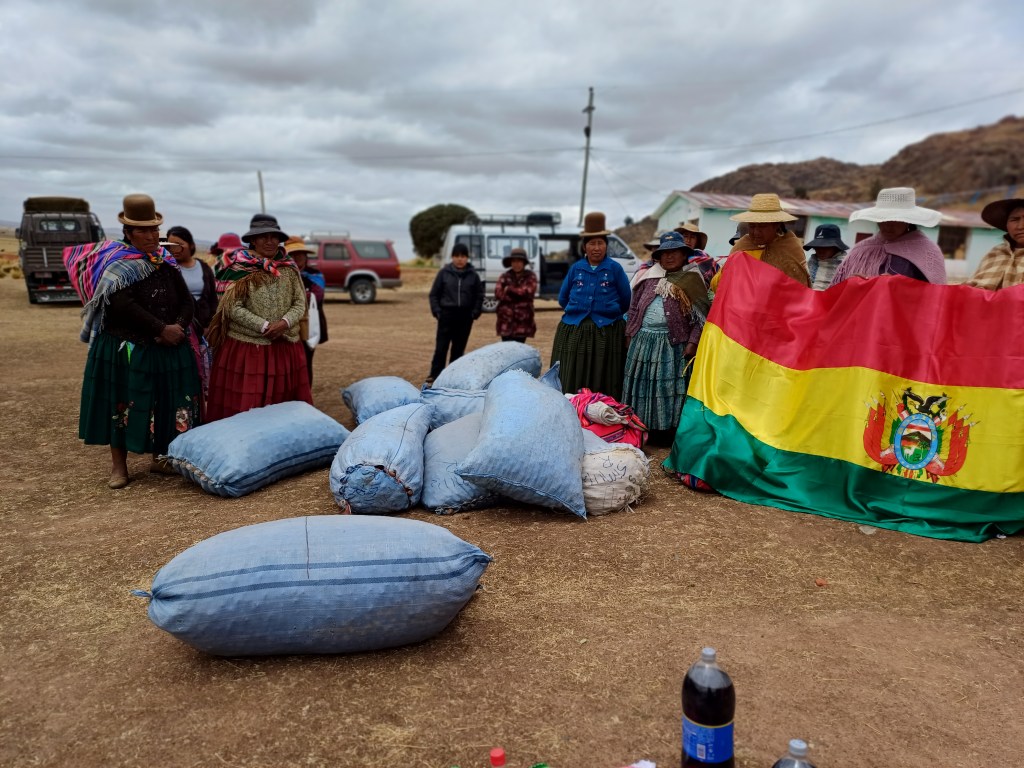
Bolivian young adult volunteers from the Friends International Bilingual Center (FIBC) have organized a Food Security Project to address the impact of climate change on indigenous families in the highland villages. In 2022, these communities faced hunger due to severe drought related to climate change. Many families who depend on the potato crop for food lost their main source of food and faced famine. Without intervention the crisis would have continued for multiple years because one year’s harvest provides seed for the next season’s crop.

In the first half of 2023 FIBC distributed 100 pounds of potatoes to each family at a cost of $50 per family. Then in October, 2023 more than 300 families each received 125 pounds of seed potatoes at a cost of $50 per family. With favor of God, in 2024 the families who benefited from the Food Security Project had a good harvest to sustain their families. So, they thanked God, and also deeply appreciated the young volunteers and donors.

However, last year FIBC was not able to provide potatoes or seed potatoes to other families in these indigenous communities. In 2024 we have been distributing food staples to prevent famine. Also, we plan to raise $7,500 (USD) to distribute seed potatoes to these addition communities in time for the Bolivian planting season, October and November of 2024.

Please, help us by giving a donation:

Online donations may be given through the FIBC website: https://www.centrobilingueinternacionalamigos.org/en/donaciones

For sending a check, contact us via email: centrobilingueamigos7bo@gmail.com

FWCC Climate Emergency Fund

FWCC World Office and Europe and Middle East Section (EMES) are jointly committed to contribute to carbon offsetting to support the Climate Emergency Fund (CEF). The CEF seeks to provide short term funding to projects presented by members of Quaker meetings and yearly meetings, especially those in the Global South experiencing the immediate impacts of the climate crisis. The maximum amount given cannot exceed 500 British Pounds. The fund is administered by the Justice and Peace Secretary, in consultation with the General Secretary and Treasurer upon submitting an application to the World Office. 

For more information and to donate, please click here.