Kwibuka Yearly Meeting Environmental Projects

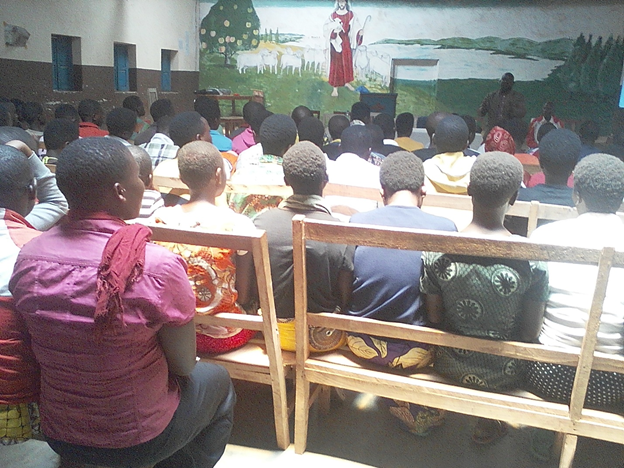
Members of Kibogoye Monthly Meeting during a workshop on environmental protection and job creation

Kwibuka Yearly Meeting in Burundi engages Friends and non-friends through a wide range of actions to encourage environmental protection and economic development. This happens through the “Christian Action in a World of Distress” Program. Some of the activities include teaching young vegetable farmers to make organic pesticides and fertilizer to prevent environmental degradation, how to transform non-biodegradable plastics into useful tools, and offer retreats to foster youth leadership in climate action. The group is also planning to open three new nurseries to help combat deforestation.

Participants of a workshop entitled “Managing the Risks of Climate Change”

The Earth School: Free Online Environmental Education Resources

The Earth School is a collection of videos exploring and explaining the environment through quests running from Earth Day (April 22nd) to World Environment Day (June 5th). Each quest encourages young people to learn more about our planet, how all of its different moving parts work, and why it is important to take good care of our shared home. For example Quest 12 delves into biodiversity, provides an introductory video, engaging questions, and further resources. The project is supported by the United Nations Environmental Program, National Geographic, and the International Union for the Conservation of Nature (IUCN)

Food, Climate Change, and COVID-19

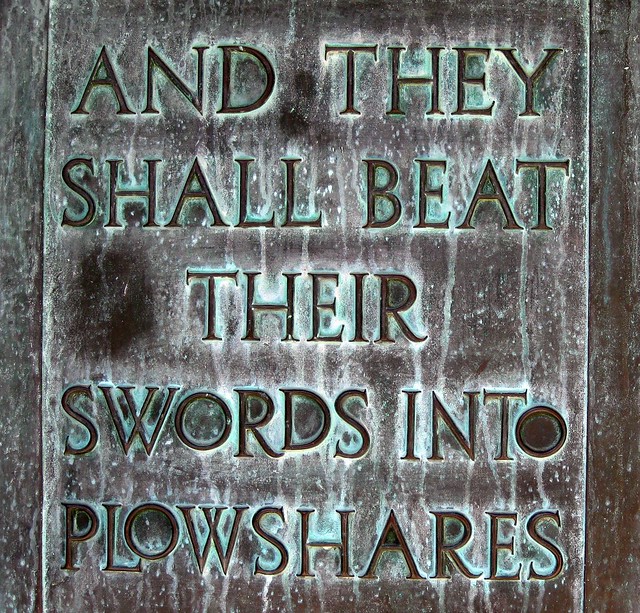
Geoff Tansey lives in the UK and curates the open education on-line resource the  Food Systems Academy and is a member of the  Food Ethics Council.  In this article he explains how COVID-19 has made it clear that military spending will not keep us safe, which also highlights the impending dangers and impacts of climate change. Tansey calls for a shift from military spending to investments in the resilience of our food systems, biodiversity, and climate.

Geoff Tansey’s books include The Food System: a guide (with Tony Worsley) and co-editorship (with Tasmin Rajotte) of The future control of food – A guide to international negotiations and rules on intellectual property, biodiversity and food security. This latter book came out of work he did as a consultant with QUNO Geneva the Quaker International Affairs Programme of Canadian Quakers. He is an honorary visiting fellow at the Universities of Cardiff, Lancaster and Newcastle and a member of Brighouse West Yorkshire Area Meeting.

Banking on Climate Change: Financial Institutions and Fossil Fuels

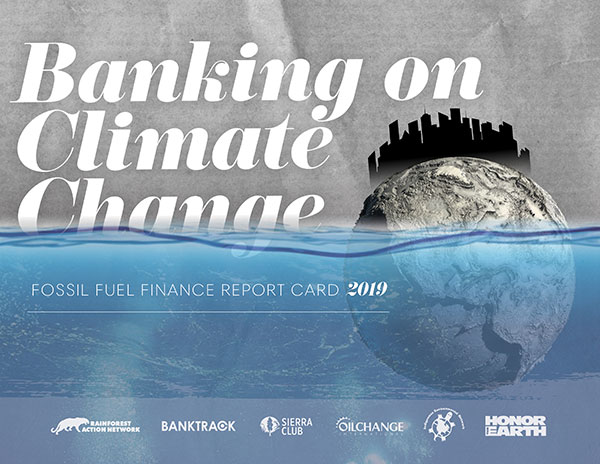
A large coalition led by the Rainforest Action Network, and endorsed by Indigenous peoples, and environmental, human rights, and interfaith groups from around the world, have released a comprehensive report tracking the investments of banks in fossil fuels. The research contains data indicating JP Morgan Chase, closely followed by Wells Fargo and Citi, invest the most in fossil fuels. The report further presents different personal stories and different areas where banks specifically invest their fossil fuel money in, such as the Arctic or tar sands.